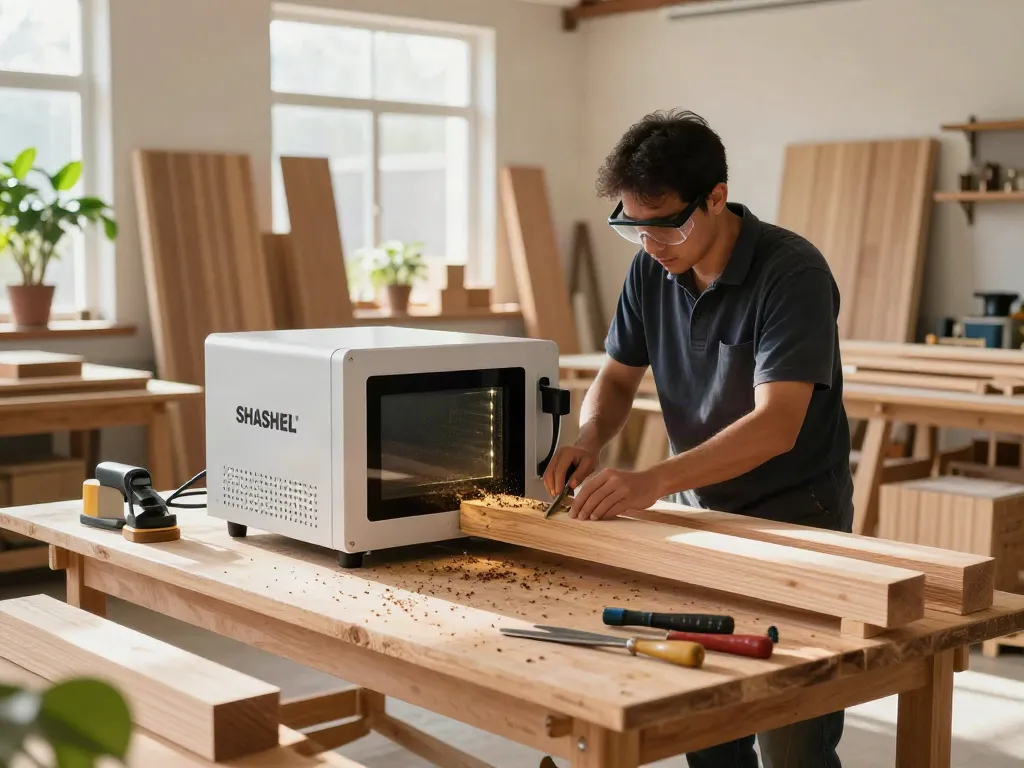
Understanding the SHASHEL® Technology
The fight against wood-boring insects has been a significant concern for industries and homeowners alike. The SHASHEL® technology presents an innovative solution that enables rapid and effective eradication of these pests through microwave treatment. By harnessing microwave energy, SHASHEL® ensures safe, chemical-free elimination of woodworms and other wood-eating insects. This revolutionary approach is a game changer in wood preservation, allowing users to protect their investments while maintaining environmental integrity. When exploring options, SHASHEL® provides comprehensive insights that can simplify this process.
What is SHASHEL® Microwave Treatment?
SHASHEL® microwave treatment is a state-of-the-art method designed to combat wood-boring insects such as woodworms, powderpost beetles, and house longhorn beetles. The technology utilizes controlled microwave energy that penetrates deep into wood structures, heating the infested areas to a temperature that is lethal to these pests, including their larvae and eggs. Unlike traditional chemical treatments that can leave harmful residues, SHASHEL® offers a non-toxic and safe alternative that poses no risk to human health or the surrounding environment.
How SHASHEL® Works to Eliminate Wood-boring Insects
The process of SHASHEL® microwave treatment begins with the identification of infested wood. Once the infected areas are pinpointed, the wood is placed in the SHASHEL® microwave chamber. Through the precise application of microwave energy, the temperature within the wood rises rapidly, effectively killing the pests hiding within. The treatment process is notably quick, often taking just a few minutes, making it an attractive option for both commercial and residential applications.
Benefits of Choosing Microwave Treatment Over Traditional Methods
- Chemical-free solution: Unlike many traditional pest control methods that rely on toxic chemicals, SHASHEL® provides an eco-friendly alternative that safeguards your health and the environment.
- Speed and efficiency: The rapid heating process ensures that treatment is completed in a fraction of the time required by chemical options, allowing for minimal disruption to your operations or home.
- Deep penetration: The microwave energy penetrates deep into the wood, effectively reaching pests that may be hidden in the core or within hard-to-reach areas.
Pros of Using SHASHEL® for Wood Preservation
Fast and Effective Treatment Process
One of the most significant advantages of the SHASHEL® microwave treatment is its speed. In many cases, the entire process can be completed within a matter of minutes, enabling businesses to resume their operations without delay. This quick turnaround is particularly beneficial in industries where time is of the essence, such as construction and furniture manufacturing.
Chemical-Free Solution for Wood Treatment
SHASHEL® is at the forefront of sustainable pest control solutions. By eliminating the need for harmful chemicals, it protects both users and the surrounding ecosystem. This aspect is becoming increasingly important as consumers and businesses are more environmentally conscious, seeking solutions that align with eco-friendly practices.
Environmental Impact and Sustainability
With rising concerns about climate change and environmental damage, the adoption of sustainable practices is crucial. SHASHEL® technology aligns with these values by providing effective pest control while minimizing ecological harm. This approach not only preserves wooden structures but also contributes to broader environmental goals.
Cons of SHASHEL® Microwave Treatment
Limitations in Certain Wood Types
While SHASHEL® is effective on a wide range of wood types, certain species may require specific handling due to their density or moisture content. Understanding these limitations helps ensure that the treatment is tailored to each unique wood type, maximizing effectiveness.
Initial Investment Costs for Equipment
Investing in SHASHEL® equipment can represent a significant upfront cost for businesses. However, the long-term benefits, including reduced reliance on chemical treatments and faster processing times, often justify this initial investment.
Requirement for Professional Expertise
Operating SHASHEL® equipment requires specialized knowledge and training. Users must be well-versed in identifying infested wood and safely operating the machinery to ensure optimal results. This can necessitate additional training costs and time for staff members.
Real-World Applications of SHASHEL® in the Industry
Case Studies: Successful Wood Treatment Examples
Many businesses have successfully implemented SHASHEL® technology, resulting in successful pest eradication and preservation of wood materials. For instance, a furniture manufacturing company reported a significant decrease in product loss due to woodworm infestation after adopting SHASHEL® methods, allowing for more efficient production cycles.
Comparing SHASHEL® to Other Wood Treatment Technologies
When comparing SHASHEL® to alternative wood treatment technologies, it becomes evident that its combination of speed, safety, and environmental friendliness set it apart. Traditional chemical treatments often require extended application times and can leave harmful residues, whereas SHASHEL® delivers instant results without any negative health impacts.
Customer Testimonials and Feedback
Numerous customers have praised the effectiveness of SHASHEL® technology in their pest control efforts. Feedback highlights not only the rapid results but also the peace of mind that comes from utilizing a safe, chemical-free solution. Many users report satisfaction with their investments, noting lower maintenance costs over time as a result of effective pest eradication.
Future Trends and Innovations in Wood Treatment
Emerging Technologies Enhancing SHASHEL® Effectiveness
As technology continues to evolve, we can expect further advancements in microwave treatment methodologies. Future innovations may focus on enhancing the precision of microwave delivery, improving the energy efficiency of equipment, and developing more sophisticated monitoring systems to assess treatment effectiveness in real-time.
Predictions for Wood Preservation Techniques in 2026
Looking ahead to 2026, the wood treatment industry is poised for transformative changes. With a growing emphasis on sustainability and technological advancements, we can anticipate a shift toward more automated, precise treatments that leverage data analytics to optimize pest control processes.
Adaptation of SHASHEL® Technology in Different Markets
The adaptability of SHASHEL® technology makes it suitable for a wide variety of sectors, from residential to commercial applications. As awareness of its effectiveness grows, we might see increased adoption in markets that previously relied heavily on chemical treatments, ultimately transforming industry standards.
What is the cost of SHASHEL® equipment?
The cost varies depending on the specific model and features of the SHASHEL® equipment. Businesses should consider this investment in the context of long-term savings on pest control and product preservation.
How long does the treatment with SHASHEL® take?
Typically, the treatment process takes just a few minutes, depending on the size and type of wood being treated. This efficiency allows for minimal disruption to workflows.
Is SHASHEL® safe for all types of wood?
While SHASHEL® is effective on many wood types, certain dense woods may require special considerations. It's essential to assess the wood's characteristics before treatment to ensure optimal results.
What are the maintenance requirements for SHASHEL® equipment?
Regular maintenance of SHASHEL® equipment is necessary to ensure its optimal performance. This includes scheduled inspections, cleaning, and adherence to operational guidelines set by the manufacturer.
Can SHASHEL® treatment be done in residential areas?
Yes, SHASHEL® treatment is safe for residential applications, providing a chemical-free solution to wood pest problems without endangering the health of inhabitants or pets.