Understanding the Cherry Picker: A Comprehensive Overview
A cherry picker is a type of aerial work platform specifically designed for elevating personnel and equipment to heights that would otherwise require a ladder or scaffolding. This versatile machinery not only enhances the capabilities of various industries but also addresses safety concerns when working at heights. In this article, we will delve deeper into understanding what cherry pickers are, the types available, their features, the benefits they offer across different industries, considerations when renting or purchasing one, safety best practices, and frequently asked questions.
What is a Cherry Picker?
A cherry picker, also known as an aerial work platform, is equipped with a platform or bucket at the end of a hydraulic arm capable of reaching elevated positions. The term 'cherry picker' originally referred to vehicles used in orchards to pick fruits; however, its application has expanded into various fields, including construction, maintenance, and entertainment. Cherry pickers can be mounted on trucks, trailers, or can be self-propelled, depending on the specific needs of the job. This equipment allows workers to access hard-to-reach areas safely, significantly enhancing the efficiency of tasks such as installation, maintenance, and repair.
Types of Cherry Pickers and Their Uses
Cherry pickers come in several types, each designed for specific purposes:
- Telescoping Boom Lifts: These cherry pickers use extendable arms that can reach significant heights (typically between 30 to 85 feet). They are ideal for tasks that require both height and outreach, making them suitable for construction work, tree trimming, or building maintenance.
- Articulating Boom Lifts: Featuring joints that allow the boom to bend, articulating lifts provide access to difficult spaces and can navigate around obstacles. These are advantageous for light industrial applications and maintenance tasks in urban environments.
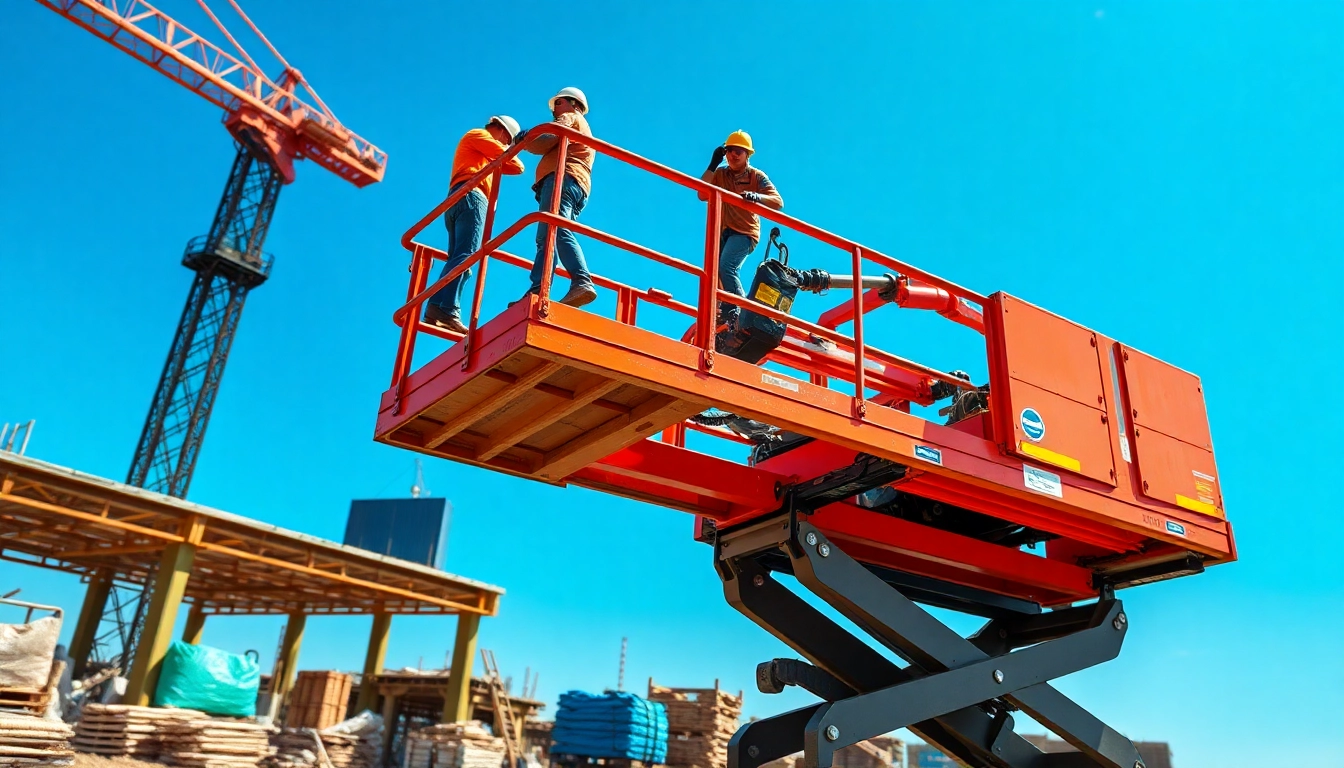
- Scissor Lifts: Unlike traditional cherry pickers, scissor lifts move vertically and are suitable for outdoor and indoor use. Perfect for tasks such as painting, electrical work, or roofing, they offer a stable platform at various heights.
- Self-Propelled Boom Lifts: These models combine mobility and functionality, enabling users to drive them directly to the job site. Their maneuverability makes them excellent choices for project environments where space is limited.
- Truck-mounted Cherry Pickers: Mounted on a truck for easy transportation, these cherry pickers are designed for tasks that involve traveling to different locations, often used by utility workers, construction crews, and telecommunications staff.
Key Features of a Cherry Picker
Modern cherry pickers come equipped with various features that enhance their usability and safety. Key features include:
- Height Range: Depending on the model, cherry pickers can reach heights varying from 30 feet to over 85 feet, making them versatile options for all types of projects.
- Load Capacity: Most cherry pickers can lift weight capacities ranging from 500 to 1,000 pounds, allowing them to carry personnel and tools simultaneously.
- Safety Features: Features like guardrails, emergency stop buttons, automatic leveling systems, and tilt alerts are standard to prevent accidents and ensure safe operation.
- Ease of Transport: Many cherry pickers are designed for easy transportation, either through compact designs for smaller jobs or removable booms for larger models.
- User-Friendly Controls: Intuitive controls help operators navigate the machinery safely, including joystick controls and digital displays for monitoring performance statistics.
Benefits of Using Cherry Pickers in Different Industries
The introduction of cherry pickers has transformed several industries by increasing productivity and enhancing safety. Here are some of the primary advantages:
Cost-Effectiveness and Efficiency
Utilizing cherry pickers can reduce labor costs significantly. By enabling one operator to access elevated areas safely and quickly, companies can complete jobs faster than they would using traditional methods. This not only minimizes labor costs but also reduces the potential for project delays. Furthermore, the high reach and versatility of cherry pickers make them suitable for various applications, reducing the need for multiple types of equipment. For example, a single cherry picker can effectively serve roles in construction, maintenance, and even event setup.
Enhanced Safety Practices
Safety is a paramount concern when working at heights. Cherry pickers provide a stable platform and minimize the risk of falls, a major cause of workplace injuries. The presence of safety features such as guardrails and emergency stop buttons ensures that operators can focus on their tasks without undue worry. It is essential to train operators on the correct use of cherry pickers to maximize safety. A well-trained team can effectively reduce accidents and injuries in high-risk environments.
Versatility Across Various Applications
Cherry pickers possess exceptional versatility, making them essential tools across numerous sectors, including:
- Construction: They are invaluable in erecting scaffolding, painting exterior walls, and carrying out roofing work.
- Landscaping: Cherry pickers assist in pruning and maintaining tall trees or installing high structures like lighting.
- Maintenance and Repair: Ideal for maintaining hard-to-reach areas like telecommunications towers or billboards.
- Event Setup: Perfect for setting up stages and lighting for concerts or festivals where heights are involved.
Key Considerations When Renting or Buying a Cherry Picker
When considering the acquisition of a cherry picker, it's vital to keep several factors in mind to ensure you select the right equipment for your specific needs.
Assessing Your Specific Needs
Before renting or purchasing a cherry picker, assess your specific requirements, including the height needed, the load capacity, and the nature of the tasks. Understand the environment where the cherry picker will be used—indoor settings may necessitate compact models, while outdoor tasks might require machines that can handle rough terrain. Consider creating a checklist to compare different models based on their features, specifications, and suitability for your tasks at hand.
Understanding Operating Specifications
Familiarizing yourself with the operating specifications of the cherry picker can help inform your decision. Each model can have unique set-up requirements, working heights, and lifting capacities. Review the user manuals and technical specifications alongside expert opinions to ensure you choose a cherry picker that meets your operational needs without compromising safety standards.
Budgeting for Cherry Picker Use
Budget considerations extend beyond the initial cost of renting or purchasing a cherry picker. Include costs related to transportation, training for operators, maintenance, and potential insurance. Budgeting comprehensively will ensure that no hidden costs impact your overall spend. Additionally, when renting, ensure that the rental fees align with your project timeline, with options for extended rentals should your project timeline change.
Best Practices for Operating a Cherry Picker Safely
Safety in operation cannot be overstated; adherence to best practices will help in minimizing risks associated with using cherry pickers.
Pre-Operation Safety Checks
Before operating any cherry picker, conduct thorough pre-operation checks. Inspect the machinery for any potential issues, such as:
- Check fluid levels—hydraulic fluid, fuel, etc.
- Examine tires for wear and proper inflation.
- Ensure safety devices are functioning correctly.
Documenting these checks can provide a useful reference point and ensure accountability among operators.
Proper Use of Safety Gear
Operators and any personnel working near cherry pickers should wear appropriate personal protective equipment (PPE). This may include:
- Hard hats
- Safety goggles
- Gloves
- Non-slip footwear
Ensure that the type of PPE used is suitable for the environment and task at hand to maximize safety.
Training Requirements for Operators
Operator training is crucial in ensuring safe and effective cherry picker operation. Ensure that all operators receive appropriate training tailored to the specific model they will be using. This training should cover:
- System controls
- Emergency procedures
- Load limits and safety protocols
Consider ongoing training or refresher courses to keep operators informed about best practices and new safety regulations in the industry.
Frequently Asked Questions About Cherry Pickers
1. What is the maximum height a cherry picker can reach?
Cherry pickers typically reach heights from 30 to over 85 feet, depending on their model and design.
2. How much weight can a cherry picker lift?
The weight capacity varies by model but generally ranges from 500 to 1,000 pounds, ensuring safe lifting of personnel and equipment.
3. Are cherry pickers suitable for indoor use?
Yes, many cherry pickers are designed for indoor use, especially compact models that can navigate tight spaces easily.
4. Do I need a certification to operate a cherry picker?
Yes, operators typically require specific training or certification ensuring safety and adherence to industry regulations.
5. What are common safety features of a cherry picker?
Common features include guardrails, emergency stop buttons, tilt alarms, and leveling systems designed to prevent accidents during operation.