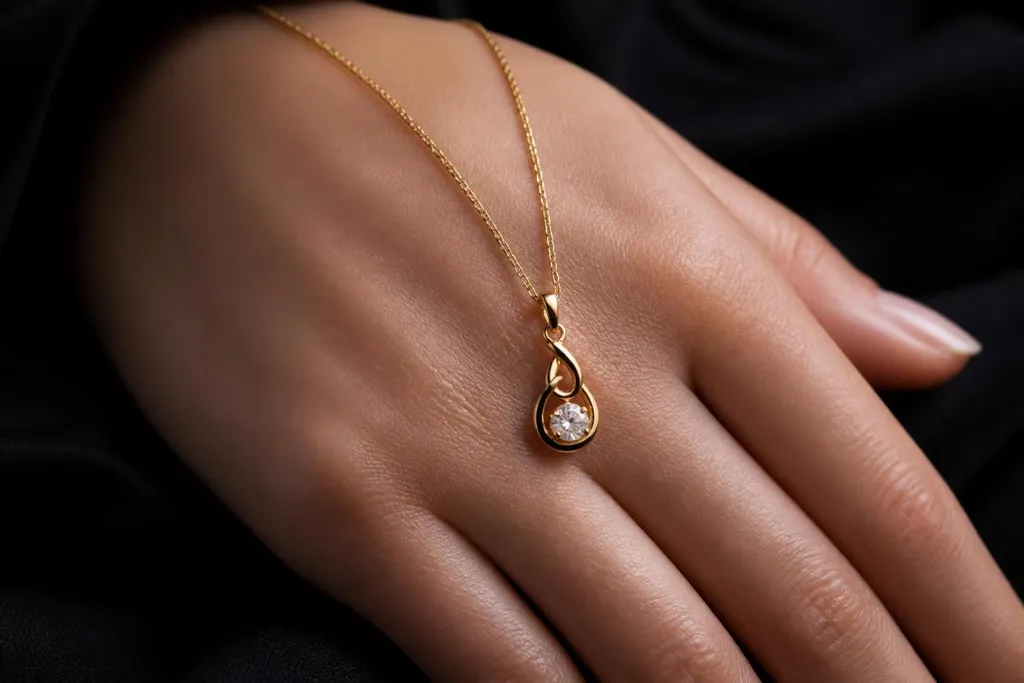
A pendant can become one of the most personal pieces in a jewellery collection precisely because it is so easy to wear. Unlike jewellery reserved for particular occasions, a well-chosen pendant can sit naturally with a shirt, knitwear or evening dress and gradually become associated with everyday routines, people and memories. Its meaning may come from a gemstone, a gift or simply the fact that it is worn repeatedly over many years.
For anyone looking to order pendants from Lily Arkwright, the strongest choice is rarely based on appearance alone. Stone size, shape, precious metal, setting and chain length all determine whether a pendant becomes genuinely versatile. The aim is to find enough visual presence to make the piece distinctive while keeping the proportions comfortable and adaptable for regular wear.
Choose a Gemstone With Purpose
A pendant offers an ideal setting for both colourless and coloured gemstones because the stone can act as a clear focal point without needing the scale of a statement necklace.
Diamond or diamond-style brilliance creates a neutral foundation that works easily across different wardrobes. Coloured gemstones introduce a more personal dimension. Sapphire can provide anything from classic blue to softer or brighter shades, while emerald brings rich green and ruby offers unmistakable red. Paler tones can create a gentler effect for someone who prefers understated colour.
Meaning does not need to come from traditional symbolism. A gemstone might recall a significant place, match a favourite colour or mark an anniversary or birthday.
Size should also reflect how the pendant will be used. A larger centre stone may suit someone who rarely wears other jewellery around the neckline and wants one clear focal point. A smaller stone can be more versatile for daily wear, particularly when the pendant will regularly be combined with earrings or layered necklaces.
Let Shape and Setting Define the Character
Gemstone shape can change the personality of a pendant even when the overall design remains simple.
Round stones create symmetry and familiar sparkle. Oval shapes introduce length without losing their soft outline, while pear cuts naturally draw the eye downward and can make an elegant pendant silhouette.
Emerald and other angular cuts offer cleaner geometry. Their structured outlines can give a simple pendant a distinctly modern character, especially when paired with a restrained setting.
Setting style determines how much metal surrounds the stone. Fine claws can create an open appearance and keep attention on the gemstone, while more defined settings may make the outline of the piece more prominent.
For an everyday pendant, construction should also minimise unnecessary snagging. A design worn frequently will encounter collars, scarves and other fabrics, so an elegant setting also needs to function practically.
Consider Chain Length and Pendant Scale Together
Chain length determines where the pendant sits, which directly affects how it interacts with clothing.
A piece positioned around the collarbone can work particularly well with open necklines and often feels natural for everyday wear. Longer chains can place the pendant over higher necklines or create more vertical emphasis.
Pendant size and chain length should feel proportionate. A very small pendant on an exceptionally long chain may lose visual impact, while a substantial gemstone can appear crowded if positioned too tightly around the neck.
The chain itself should provide appropriate support. Delicate chains suit finer pendants and preserve a light appearance, but more substantial pieces may benefit from a chain with enough visual and structural weight to balance them.
If layering is planned, choosing noticeably different lengths helps each necklace occupy its own space rather than allowing several pendants to gather at the same point.
Select Metal for Versatility and Long-Term Wear
Precious-metal colour provides the background against which the gemstone is viewed.
Platinum and white gold create a cool appearance and pair naturally with colourless stones and many blue or green gemstones. Yellow gold introduces warmth and can produce attractive contrast around cooler colours. Rose gold provides a softer character, particularly alongside pink and peach tones.
Existing jewellery offers useful guidance. A pendant that relates to frequently worn earrings, rings or a watch is likely to integrate more easily into everyday styling.
Regular care is important too. Skin oils, cosmetics and fragrance can gradually collect around gemstones and settings. Gentle cleaning and appropriate storage help maintain the pendant's appearance, while occasional professional inspections are sensible for pieces worn frequently.
Final Thought
A meaningful pendant does not have to be elaborate. Its lasting value often comes from how naturally it fits into the wearer's life and how often it becomes part of familiar moments.
Choose gemstone, scale, setting, chain length and metal as connected decisions rather than isolated features. A pendant that feels comfortable with everyday clothing, coordinates easily with existing jewellery and carries personal significance can become far more than an accessory—it can become one of the pieces that defines a jewellery collection.