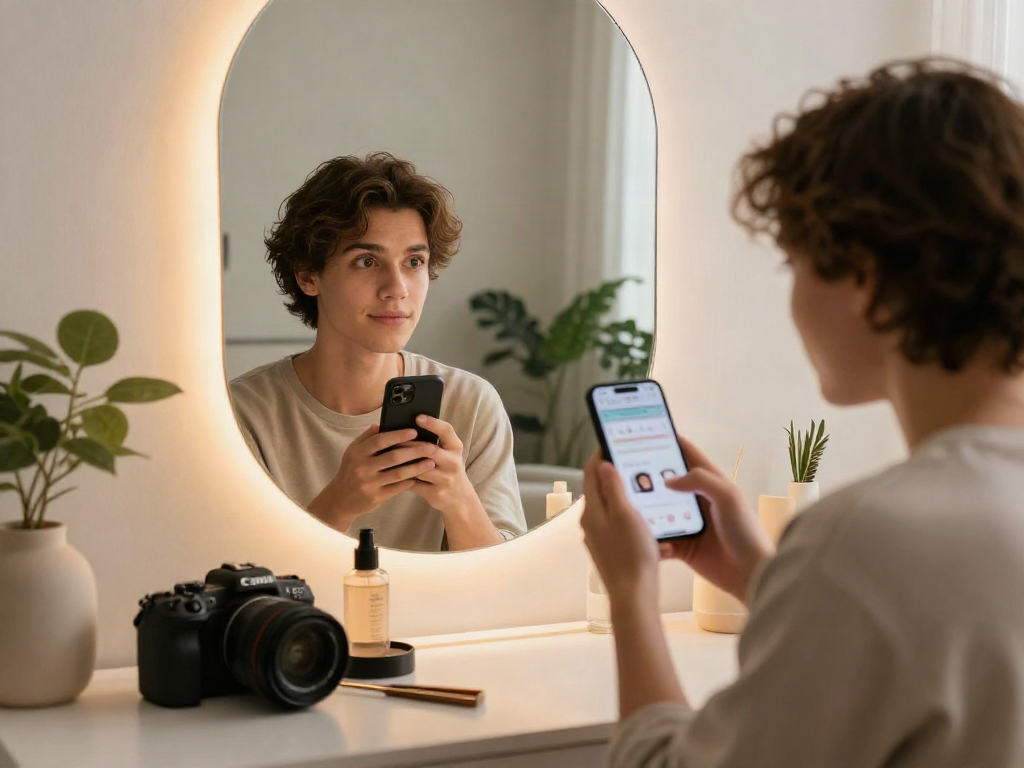
Understanding the Test of Attractiveness
In today's visually driven society, the concept of attractiveness plays a significant role in personal and social interactions. The test of attractiveness provides individuals with a means to explore and understand how they are perceived based on various facial attributes. This article aims to delve into the multifaceted nature of attractiveness, examining the scientific principles underlying attractiveness tests, the reasons these assessments are increasingly relevant, and how they can influence personal confidence and social dynamics.
What is the Test of Attractiveness?
The test of attractiveness is a method employed to evaluate an individual's facial features, often through the use of advanced technologies such as artificial intelligence (AI). These assessments can analyze various attributes, including facial symmetry, proportion, and the presence of specific beauty standards, providing users with an overall attractiveness score. Users generally upload a photograph, and the AI processes this image to deliver insights into how closely the individual's features align with widely accepted beauty ideals.
The Science Behind Attractiveness Testing
Attractiveness testing is grounded in psychological and physiological research that identifies key characteristics deemed attractive across cultures. Factors such as facial symmetry are crucial; studies suggest that symmetrical faces are often perceived as more appealing. This perception can be attributed to evolutionary biology, where symmetry may signal genetic health and reproductive fitness. Additionally, the concept of the golden ratio provides a mathematical basis for assessing beauty, with ideal proportions celebrated in art and nature mirrored in human features.
Why Attractiveness Tests Matter Today
In an era defined by social media and digital presence, the implications of attractiveness tests have become increasingly significant. These assessments cater to a growing desire for self-improvement and validation in a competitive landscape, pushing individuals to engage in practices that enhance their perceived attractiveness. Moreover, understanding how one fares against societal standards can provoke introspective insights into personal identity and self-worth, which are essential for holistic well-being.
Key Factors Influencing Attractiveness Scores
Facial Symmetry and Proportions
Facial symmetry is consistently linked to perceived attractiveness across cultures. Research indicates that individuals with more symmetrical features are generally rated as more attractive. This phenomenon is thought to occur because symmetry is subconsciously associated with genetic fitness. Additionally, proportionality of facial features, such as the distance between the eyes and the length of the nose, contributes significantly to attractiveness scores. The golden ratio plays a vital role here, providing a framework for evaluating ideal proportions in facial structures.
Skin Quality and Facial Features
The condition of one's skin can dramatically influence attractiveness scores. Clear, well-hydrated skin is often seen as a sign of youth and vitality, which are crucial factors in the perception of beauty. Additionally, distinct facial features, such as high cheekbones, a well-defined jawline, and full lips, can enhance attractiveness. The use of cosmetic products and skin care routines can help individuals address these areas, thereby improving their attractiveness ratings.
Personality Traits and Charisma's Impact
While physical features are essential, personality traits such as confidence, charisma, and warmth can significantly enhance perceived attractiveness. Studies show that individuals who exude confidence and possess an engaging personality are often rated higher in attractiveness despite not fitting conventional beauty standards. Thus, emotional connections and social skills should not be underestimated when it comes to overall attractiveness.
How to Take an Effective Attractiveness Test
Steps to Prepare for an Accurate Assessment
To achieve accurate results from an attractiveness test, users should carefully prepare before taking the assessment. This includes selecting a high-quality, well-lit photograph that clearly showcases their facial features. Furthermore, users should aim for a neutral expression, as exaggerated expressions can distort the results. It's also beneficial to consider the background of the photo to avoid any distractions that might detract from the focus on the face.
Common Mistakes to Avoid During Testing
During the testing process, several common pitfalls can lead to inaccurate results. These include using poorly lit or overly filtered photos, which can hide imperfections and affect the AI's evaluation. Additionally, users should avoid uploading images that distort their facial features, such as those taken at awkward angles. Lastly, approaching the test with a negative mindset can influence how individuals perceive their results, making objectivity crucial.
Interpreting Your Results: What They Mean
After receiving an attractiveness score, it's essential to approach the results with a balanced perspective. Scores are not definitive measures of self-worth but rather reflections of certain attributes evaluated against perceived beauty standards. Users should consider the insights provided in context and think critically about how these results align with their self-image and goals for enhancement.
Improving Your Attractiveness Based on Test Results
Self-Care Practices That Enhance Attractiveness
Improving attractiveness often begins with self-care practices. Regular skincare routines, such as cleansing, moisturizing, and protecting the skin from sun damage, can significantly enhance skin quality. Moreover, maintaining a healthy diet rich in vitamins and minerals promotes overall skin health and appearance. Adequate hydration is also a fundamental component often overlooked, as it contributes to a more youthful complexion.
Cosmetic Techniques for Better Scores
For those looking to enhance their attractiveness scores further, cosmetic techniques can provide substantial benefits. Makeup can be used to highlight specific features, such as using highlighter on cheekbones or contouring to define the jawline. Non-invasive procedures, like fillers and botox, have also gained popularity for their effectiveness in enhancing facial symmetry and smoothness. It is essential, however, to engage with qualified professionals to achieve desired results safely.
Building Confidence and Charisma
Attractiveness is not solely about physical appearance; self-confidence plays a crucial role. Engaging in activities that bolster self-esteem, such as public speaking, social interactions, and skill-building, can enhance personal charisma. Practicing good posture, maintaining eye contact, and smiling can further increase attractiveness by making an individual appear more approachable and self-assured.
Future Trends in Attractiveness Testing
The Role of AI in Attractiveness Assessments for 2026
As technology continues to evolve, so too will attractiveness testing. Emerging AI technologies promise to provide even more precise assessments by incorporating a broader range of facial features and cultural standards. Enhanced algorithms can account for diverse beauty ideals, making attractiveness testing more inclusive and representative of global aesthetics.
Emerging Technologies and Their Impact
The future of attractiveness testing may see the integration of virtual reality (VR) and augmented reality (AR), allowing users to visualize potential cosmetic changes or improvements in a simulated environment. Such advancements could empower individuals to make informed decisions regarding their appearances while enhancing the overall experience of taking attractiveness tests.
Changing Perceptions of Beauty and Attractiveness
As societal norms evolve, perceptions of beauty and attractiveness are shifting. Increasing emphasis on diversity and individuality suggests that attractiveness will grow more subjective, moving away from rigid standards. This shift may lead to the development of attractiveness tests that celebrate unique traits and characteristics rather than simply conforming to conventional ideals.
What is the accuracy of attractiveness tests?
The accuracy of attractiveness tests can vary significantly depending on the algorithms used and the quality of the input images. While many tests use sophisticated technology to assess facial features, the subjective nature of beauty means that no test can provide an absolutely definitive score. It's important to remember that attractiveness is a personal perception influenced by cultural and societal factors as much as by measurable attributes.
Can attractiveness be improved?
Yes, attractiveness can be improved through various means, including skincare, healthy living, grooming, and developing confidence and charisma. Recognizing areas for enhancement and making targeted changes can lead to an increased attractiveness score.
What factors contribute most to attractiveness scores?
The primary factors contributing to attractiveness scores include facial symmetry, proportions, skin quality, and personality traits. These attributes often interplay to create a comprehensive perception of facial appeal.
Are online tests reliable for attractiveness?
Online tests can provide entertaining and insightful assessments of attractiveness; however, they should be viewed as a general guide rather than definitive evaluations. The underlying algorithms and data sets they use play significant roles in determining reliability.
How often should I retake the test of attractiveness?
Retaking the test of attractiveness can be beneficial after significant lifestyle changes, such as alterations in skincare routine, weight management, or cosmetic procedures. Regular assessments may also help track progress and boost confidence as individual features evolve over time.