Understanding Pharmaceutical Manufacturing in South Africa
The pharmaceutical manufacturing sector in South Africa plays a crucial role in the healthcare system, supplying a wide range of medications and treatments to millions. With stringent regulations and a need for high-quality production, companies in this industry must navigate a complex landscape. As a leading pharmaceutical manufacturing company south africa, DivPharm exemplifies the standards of excellence required to meet both local and international demands. This article delves into the essential aspects of pharmaceutical manufacturing, including trends for 2026, the roles of manufacturers, and the importance of regulatory compliance.
Industry Overview and Trends in 2026
As we approach 2026, the pharmaceutical manufacturing industry in South Africa is poised for significant evolution. Key trends include an increased focus on biotechnology, personalized medicine, and a growing demand for generic pharmaceuticals. The expansion of digital transformation and automation will also enhance production efficiency, reduce costs, and enable better quality control. Moreover, sustainability initiatives are gaining traction, prompting manufacturers to adopt environmentally friendly practices in both production and packaging.
Key Roles of a Pharmaceutical Manufacturing Company
Pharmaceutical manufacturing companies like DivPharm serve multiple critical roles, including:
- Production of Medicines: These companies are responsible for producing a wide array of products, from generic drugs to specialized therapies.
- Quality Assurance: Ensuring that all products meet strict regulatory standards is paramount. Pharmaceutical manufacturers conduct rigorous testing and quality control checks throughout the production process.
- Regulatory Compliance: Adhering to the regulations set forth by governing bodies such as SAHPRA (South African Health Products Regulatory Authority) ensures that medications are safe and effective.
- Supply Chain Management: Managing the logistics of raw materials and finished products to ensure timely delivery to healthcare providers and consumers.
Regulatory Compliance and Quality Standards
Compliance with regulations is non-negotiable in the pharmaceutical manufacturing sector. Companies must adhere to Good Manufacturing Practice (GMP) standards, which dictate the conditions under which products should be manufactured, stored, and released. Regulatory bodies conduct regular inspections to ensure compliance, which helps maintain public trust and safety in the medications provided.
Essential Services Offered by Pharmaceutical Manufacturing Companies
Overview of Contract Manufacturing Services
Contract manufacturing services are an essential aspect of the pharmaceutical sector. This arrangement allows companies to outsource the production of their medications to a reliable partner, ensuring high standards without the need for substantial capital investment in facilities. Services typically include:
- Facility Management: Monitoring and managing production environments to meet regulatory compliance.
- Custom Formulation: Tailoring medications to meet specific customer or market needs.
- Packaging and Labelling: Comprehensive packaging solutions ensure that products are delivered safely and effectively to consumers.
Understanding Blister Packaging Solutions
Blister packaging is a common method used for pharmaceuticals, providing protection and a user-friendly design. This type of packaging not only keeps the medication safe from environmental factors but also helps in maintaining the integrity of the drug. There are advanced techniques now being utilized, such as:
- Child-resistant features: Ensuring safety for households with children.
- Eye-catching designs: Packaging that stands out on pharmacy shelves, increasing product visibility.
Importance of Safety Seals and Security in Packaging
Safety seals play a critical role in maintaining product integrity and ensuring consumer safety. They act as a deterrent against tampering and provide assurance to consumers that the product they are purchasing is safe. With the rise of counterfeit products, the pharmaceutical industry must continually innovate its packaging solutions to include advanced security features.
Innovative Packaging Techniques to Enhance Efficiency
Recent Advances in Blister Packaging Technology
Recent technological advancements in blister packaging have introduced more efficient materials and methods. Companies are now using materials that are not only cost-effective but also environmentally friendly. Innovations like smart blister packs, which can track medication adherence, enhance patient compliance and provide real-time data to healthcare providers.
Cold Chain Solutions for Temperature-Sensitive Products
Cold chain management is crucial for the safe distribution of temperature-sensitive pharmaceuticals, such as vaccines and biologics. Advanced cold storage systems and monitoring technologies ensure that products maintain their effectiveness throughout the supply chain. Companies are increasingly investing in robust cold chain logistics to protect their products from temperature fluctuations that could compromise quality.
Use of Automated Systems in Packaging
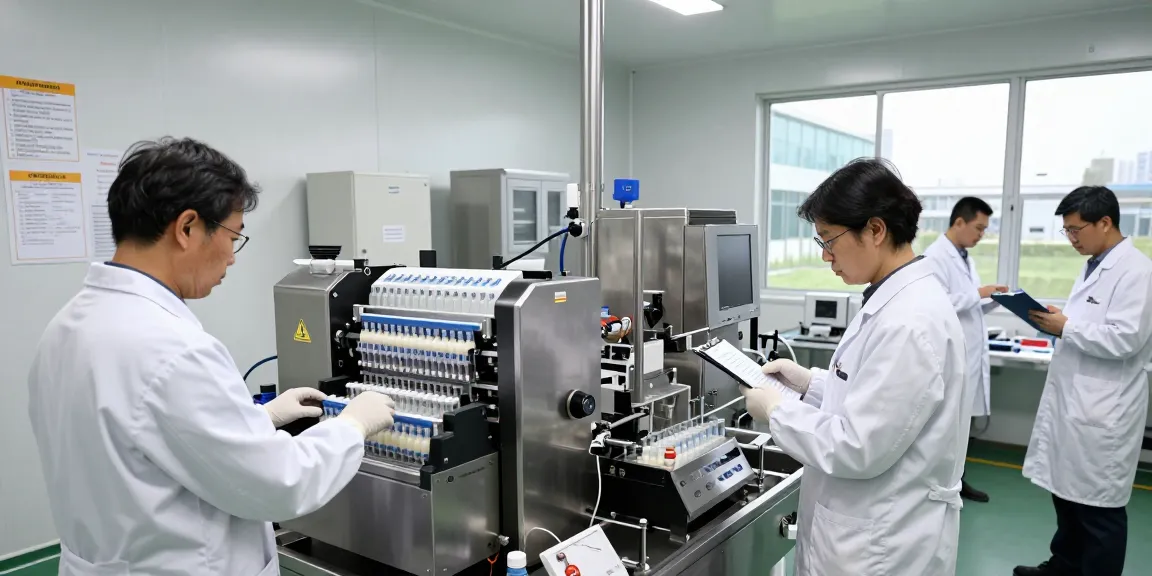
Automation in packaging processes not only increases efficiency but also reduces human error. Automated systems streamline operations, improve speed, and enhance the accuracy of packaging. Robotics and AI are becoming commonplace in modern pharmaceutical manufacturing facilities, enabling higher productivity and reduced operational costs.
Best Practices for Quality Assurance in Pharmaceutical Manufacturing
Quality Control Processes and Standard Procedures
Implementing effective quality control processes is vital for pharmaceutical manufacturing. This includes establishing standard operating procedures (SOPs) for every stage of production. Regular audits and inspections help identify potential issues, ensuring that all products meet regulatory and safety standards.
Effective Risk Management Strategies
Pharmaceutical companies must proactively identify and mitigate risks throughout their operations. This can include everything from supply chain vulnerabilities to compliance-related risks. A well-defined risk management strategy ensures that potential issues are addressed before they escalate into significant problems.
Continuous Improvement and Compliance Monitoring
Continuous improvement is essential for maintaining competitive advantages in the pharmaceutical sector. Regular training for staff on compliance and best practices, along with periodic reviews of processes, can help ensure that companies stay ahead of industry standards and regulations.
Future Trends in Pharmaceutical Manufacturing and Packaging
Emerging Technologies to Watch in 2026
Looking ahead, several emerging technologies are set to transform pharmaceutical manufacturing and packaging. Innovations such as 3D printing for personalized medication, blockchain for supply chain transparency, and the use of artificial intelligence for predictive analytics will play a substantial role in shaping the future landscape of the industry.
Sustainable Practices in Pharmaceutical Manufacturing
Sustainability will continue to be a critical focus for pharmaceutical manufacturers. Companies are starting to adopt greener practices, such as reducing waste, utilizing renewable energy sources, and employing sustainable materials in packaging. This not only benefits the environment but also enhances brand reputation among increasingly eco-conscious consumers.
Predictions for Market Growth and Challenges Ahead
The pharmaceutical manufacturing sector in South Africa is expected to experience robust growth, driven by rising healthcare demands, an aging population, and increased investment in research and development. However, challenges such as regulatory hurdles, market competition, and the need for continual innovation will require companies to remain agile and proactive in their strategies.
What is a pharmaceutical contractor?
A pharmaceutical contractor provides essential services to pharmaceutical companies, including manufacturing, clinical trials, and regulatory compliance. These contractors ensure that companies can focus on their core competencies while relying on experts for production and compliance needs.
Are pharmaceutical contractors regulated?
Yes, pharmaceutical contractors are subject to rigorous regulations to ensure the safety, efficacy, and quality of medications produced. Regulatory agencies perform regular inspections to ensure compliance with Good Manufacturing Practices (GMP) and other relevant guidelines.
How do pharmaceutical contractors ensure product quality?
Contractors implement strict quality assurance protocols, adhere to GMP guidelines, and conduct routine inspections to monitor compliance. Documentation is maintained meticulously to demonstrate compliance with all regulatory standards, ensuring that products are safe for consumer use.
What are common misconceptions about pharmaceutical contractors?
Many people believe that pharmaceutical contractors only handle production; however, they also engage in R&D, regulatory compliance, and quality management. This broad range of responsibilities is essential for maintaining high standards in the pharmaceutical industry.
In what ways do pharmaceutical contractors protect proprietary information?
Pharmaceutical contractors often sign confidentiality agreements with clients, ensuring that sensitive information remains protected. These agreements help safeguard proprietary data and trade secrets, fostering trust within the industry.