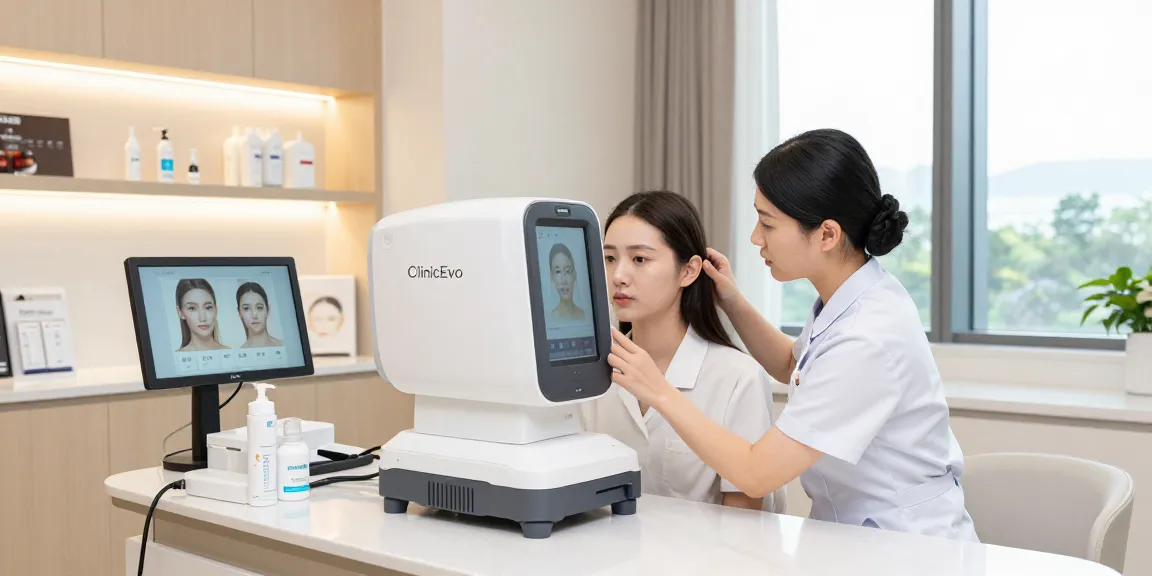
Understanding Facial Analysis Technologies
In the digital era, the quest for aesthetic enhancement has evolved significantly, with facial analysis technologies at the forefront. These technologies leverage cutting-edge artificial intelligence (AI) to assess facial features and provide personalized recommendations. Numerous apps and services have emerged, offering varying degrees of insight into beauty and aesthetics. Among these, QOVES is a widely recognized player, but it’s essential to explore alternatives to QOVES that may better suit individual needs, whether in terms of pricing, features, or service quality.
What is Facial Analysis?
Facial analysis involves the use of algorithms and AI technology to evaluate the human face based on various parameters, including symmetry, skin quality, and perceived attractiveness. Such evaluations can be based on mathematical principles like the "golden ratio," which has historically defined beauty standards. By applying this technology, individuals can receive feedback that guides their aesthetic choices, from skincare and grooming to surgical options.
How Facial Analysis Compares to Traditional Consultations
Traditional consultations often rely on a professional's subjective judgment, which can vary significantly between practitioners. In contrast, facial analysis services provide standardized assessments, often leading to more objective evaluations. While traditional consultations can offer personalized insights based on professional experience, they may lack the precision of data-driven facial analysis technologies.
The Role of AI in Facial Analysis Services
AI plays a crucial role in modern facial analysis, enabling rapid assessments that would be time-consuming for a human expert. By harnessing vast datasets, AI can recognize patterns and provide insights that enhance user experience and outcome predictability. Additionally, these services can offer continuous improvements and updates based on the latest developments in aesthetic science.
Analyzing Alternatives to QOVES
While QOVES is notable for its comprehensive membership model, it’s crucial to consider other available options. Each alternative presents unique features and pricing structures that may align better with specific expectations and budgets.
Overview of ClinicEvo and Its Services
ClinicEvo stands out as a robust alternative to QOVES, offering a monthly membership that combines AI facial analysis with human reviews from trained aesthetic specialists. This service delivers a personalized plan referred to as an EvoPlan™, designed to guide users through their aesthetic improvement journey. Unlike QOVES, which charges $150 a year, ClinicEvo provides its services at a more accessible rate of $12 per month, making it an attractive option for those seeking expert guidance without the hefty price tag.
Comparative Analysis of Umax
Umax is another contender in the facial analysis landscape, primarily functioning as an app that assesses selfies to provide an attractiveness score. While it offers instant feedback, the service does not include personalized coaching or follow-up analysis, which could leave some users wanting more depth in their evaluations.
LooksMax AI: Features and Benefits
LooksMax AI similarly focuses on quick assessments through an app that analyzes facial features and provides suggestions for improvement. This service is especially appealing to those who prefer immediate feedback without the need for a detailed plan. However, like Umax, it may lack the depth and ongoing support that more comprehensive services like ClinicEvo provide.
Key Features to Evaluate in Facial Analysis Services
When deciding among various facial analysis services, there are key features that users should evaluate to ensure an informed choice.
Importance of Human Review in Analysis
One of the most significant differentiators in facial analysis services is whether the results are reviewed by trained professionals. Services that include human oversight, such as ClinicEvo, often provide more accurate and nuanced feedback compared to fully automated apps that deliver blind scores.
Understanding Cost Structures
Pricing transparency is crucial when comparing services. Users should assess not only the initial costs but also what they might pay over a year. For example, while QOVES advertises an annual fee of $150, alternatives like ClinicEvo offer a more flexible monthly structure that can total around $144 for the same period. Meanwhile, weekly subscriptions may appear cheaper but can add up significantly over time.
Tracking Progress Over Time: What to Look For
Continuous monitoring and updates are essential in any aesthetic improvement journey. Users should look for services that offer ongoing tracking of their results and progress. Unlike one-time reports, platforms that provide regular updates help users stay engaged and motivated.
Common Questions and Misconceptions
As with any emerging technology, facial analysis services come with several common questions and misconceptions that can influence consumer choices.
Is There a Free Version of QOVES?
Currently, QOVES does not offer a free version of its services. However, several alternatives, such as PrettyScale and FaceRate.ai, provide free assessments, albeit without personalized plans. Users considering these free options should be aware that they may receive only a score rather than actionable insights.
What are the Most Accurate Face Rating Apps?
The accuracy of face rating apps can vary substantially. While services like Umax and LooksMax AI provide quick evaluations, more detailed apps like ClinicEvo, which incorporates human reviews, may yield more reliable results. Users are encouraged to explore various options to find the most suitable application for their needs.
Are Subscription Services Worth the Investment?
Many users wonder if subscription-based facial analysis services are worth the expense. The value typically lies in the quality of the feedback and the level of ongoing support provided. For those serious about aesthetic improvements, services that offer robust, personalized plans may justify the monthly or annual fees.
Future Trends in Facial Analysis Technology
As technology continues to evolve, so too will facial analysis services. Advancements in AI, machine learning, and data analytics are expected to drive future innovations in this field.
Emerging Technologies in Aesthetic Analysis
Future technological developments will likely integrate even more sophisticated AI algorithms, enhancing the accuracy of facial assessments. Innovations such as augmented reality (AR) could revolutionize how consumers interact with these services, allowing for real-time modifications and visualizations of potential changes.
Consumer Preferences in 2026
As consumer awareness grows, preferences for facial analysis services are shifting towards transparency, effectiveness, and personalized experiences. Users are looking for solutions that not only provide insights but also foster a partnership in their beauty journey.
What to Expect from Facial Analysis Services Next
The next generation of facial analysis services is likely to offer even more tailored experiences, combining user preferences with AI-driven insights to create unique beauty plans. With ongoing advancements, consumers can expect interactive experiences that personalize their aesthetic journey, enhancing both satisfaction and outcomes.