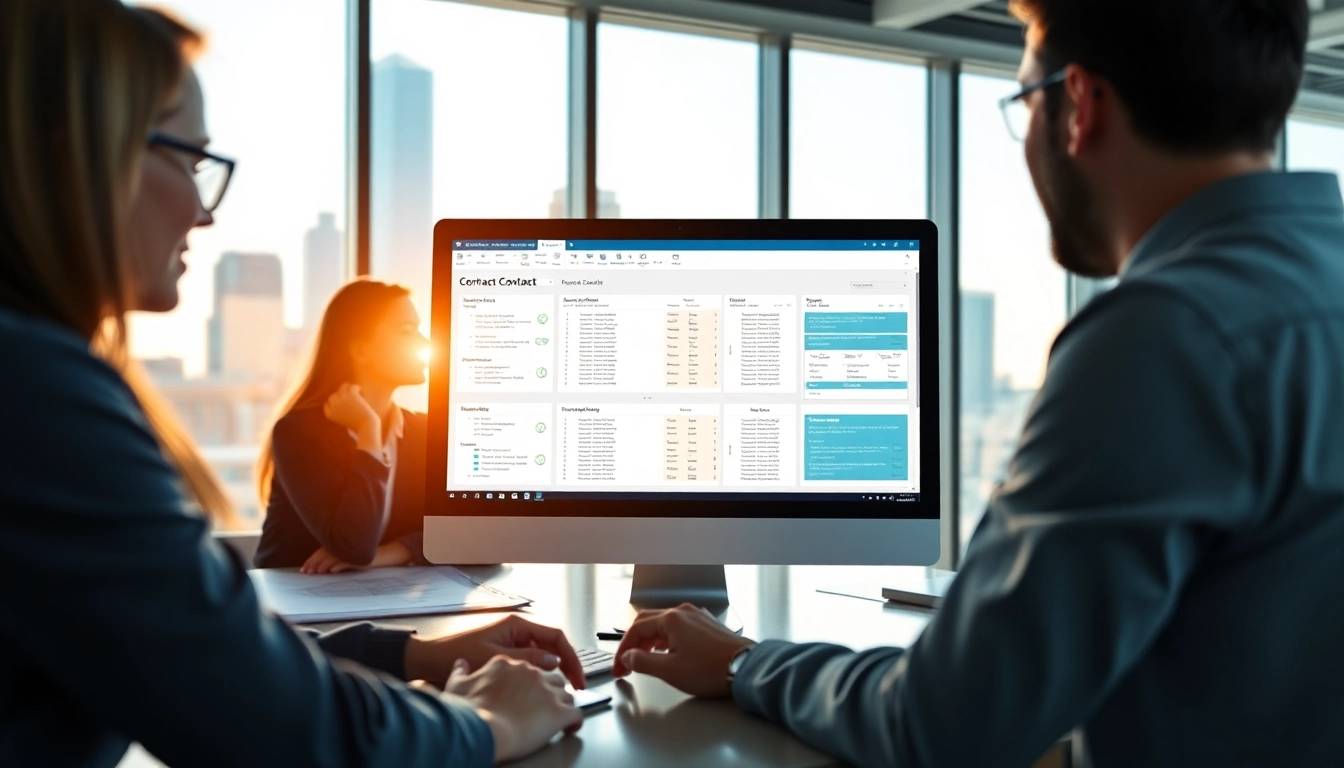
Understanding Contract Administration Documentation Software
What is Contract Administration Documentation Software?
Contract administration documentation software is a digital solution designed to streamline and enhance the management, creation, and maintenance of contractual agreements. In essence, it allows organizations to manage contracts throughout their lifecycle, from initial drafting to final execution, and beyond. This software automates various manual processes, leading to increased efficiency and reduced human error. Given the complexity involved in contract management—ranging from compliance requirements to stakeholder communications—using dedicated software can significantly improve an organization’s operational flow. The capabilities of such software often include document creation, revision tracking, analytics, reporting functionalities, and secure storage, enabling teams to manage contracts with ease.
Key Features to Look For
When evaluating contract administration documentation software, it is essential to consider several key features that can significantly enhance usability and functionality:
- Document Management: The ability to store, retrieve, and manage various contract documents securely is crucial.
- Collaboration Tools: Seamless collaboration between internal teams and external partners is vital for contract negotiation and approval processes.
- Automation: Automated reminders for key contract dates, renewals, and obligations can help prevent missed deadlines.
- Reporting and Analytics: Detailed analytics can provide insights into contract performance and compliance, assisting organizations in making data-driven decisions.
- Integration Capabilities: The software should easily integrate with other systems such as CRMs, ERPs, and financial software to enhance overall workflow.
- User-friendly Interface: A straightforward, intuitive design will make adoption easier and facilitate training.
Benefits for Organizations
Implementing contract administration documentation software offers numerous benefits to organizations:
- Increased Efficiency: Automating repetitive tasks reduces the time spent on contract management, allowing employees to focus on strategic initiatives.
- Enhanced Compliance: With built-in compliance checks and reminders, organizations can minimize the risk of legal disputes related to contractual obligations.
- Improved Visibility: Comprehensive dashboards and reporting tools provide clarity on contract statuses, obligations, and deadlines across the organization.
- Cost Savings: Efficient management of contracts can lead to reduced legal costs and mitigate risks associated with contractual breaches.
- Better Collaboration: Centralized contract repositories enable improved communication and collaboration among stakeholders, ensuring alignment during the contract lifecycle.
Implementing Contract Administration Documentation Software
Steps for Successful Implementation
Successful implementation of contract administration documentation software requires careful planning and execution. Here are key steps to consider:
- Define Objectives: Establish clear goals for implementing the software, such as improved efficiency or enhanced compliance.
- Conduct a Needs Assessment: Evaluate the organization’s specific requirements and challenges in contract management.
- Choose the Right Software: Based on the needs assessment, select a software solution that aligns with organizational goals and includes the necessary features.
- Plan for Integration: Formulate a strategy for integrating the software into existing workflows and systems.
- Training and Support: Provide comprehensive training for employees and ensure ongoing support to facilitate smooth adoption.
- Monitor and Evaluate: Post-implementation, continuously monitor the software’s performance and gather user feedback to make necessary adjustments.
Integration with Existing Systems
Integrating contract administration documentation software with existing systems is essential for maximizing its effectiveness. This process can help maintain data integrity and streamline operational workflows. Organizations should evaluate their current systems—such as customer relationship management (CRM), enterprise resource planning (ERP), and human resources management systems (HRMS)—to identify potential integration points. Compatibility with other software reduces data silos and allows for improved accessibility to critical contract information. It is advisable to work closely with IT teams during this phase to ensure a seamless transition and address any technical challenges that may arise.
Training and Onboarding Employees
Employee training plays a pivotal role in the success of implementing contract administration documentation software. A well-structured onboarding program should be designed to address the diverse needs of users, regardless of their familiarity with technology. Key training components should include:
- Hands-On Workshops: Practical sessions where employees can practice using the software in real-time.
- Documentation and Resources: Access to user guides, video tutorials, and FAQs to reinforce learning.
- Ongoing Support: Establishing a support system for users encountering difficulties will encourage confidence in utilizing the software effectively.
- Feedback Loops: Creating avenues for users to provide feedback about their experience aids continuous improvement and keeps training relevant.
Best Practices for Using Contract Administration Documentation Software
Maximizing Software Features
To fully leverage the capabilities of contract administration documentation software, organizations should adopt best practices that enhance its functionality:
- Utilize Customization Options: Tailor the software settings to best fit the specific needs and workflows of your organization.
- Regularly Review Processes: Periodically assess and update contract management processes in line with software updates and organizational changes.
- Encourage User Engagement: Foster a culture where employees actively use and suggest improvements to the software functionalities.
- Set KPIs: Establish key performance indicators to measure the software's impact on contract management efficiency and compliance.
Ensuring Compliance and Security
Compliance and security are paramount in contract management. Organizations should maintain stringent policies surrounding data access and security protocols to protect sensitive information. Here are essential practices:
- Access Controls: Implement role-based access controls that limit data access to authorized personnel only.
- Regular Audits: Conduct audits of contract data to ensure adherence to compliance requirements and identify areas of risk.
- Data Encryption: Use encryption technologies to safeguard sensitive contract information during storage and transmission.
- Privacy Compliance: Ensure that the software adheres to local and international data privacy regulations.
Regular Performance Evaluations
To ensure that contract administration documentation software continues to meet organizational needs, regular performance evaluations are crucial. These evaluations can help identify shortcomings, opportunities for enhancements, and potential training needs. Consider incorporating the following steps:
- User Feedback: Regularly gather insights from users to understand their experiences and challenges with the software.
- Performance Metrics: Define metrics to measure software efficiency, such as contract turnaround times and compliance rates.
- Continuous Improvement: Use gathered data to inform strategies for software upgrades, additional training sessions, and process enhancements.
Challenges in Contract Management
Common Issues Faced by Organizations
Despite the advantages of contract administration documentation software, organizations often face challenges in its implementation and use. Common issues may include:
- Resistance to Change: Employees may be reluctant to adopt new technologies, preferring established processes.
- Integration Problems: Difficulties in integrating the software may arise, especially with legacy systems.
- User Adoption: Inadequate training can result in low user engagement and ineffective use of the software.
- Data Quality Issues: Inaccurate or incomplete data can hinder contract management efforts and influence decision-making negatively.
Overcoming Resistance to Change
Addressing resistance to change requires proactive strategies. Key approaches include:
- Communication: Clearly communicate the benefits and expected outcomes of using the new software to all stakeholders.
- Involve Users: Engage potential users in the software selection and implementation process to increase buy-in.
- Showcase Early Successes: Highlight early wins and success stories from the software’s implementation to encourage wider acceptance.
Dealing with Data Privacy Concerns
Data privacy concerns are prevalent in contract management due to the sensitive nature of the information involved. To mitigate these concerns:
- Implement Strong Policies: Develop clear policies outlining how sensitive data will be managed, stored, and accessed.
- Educate Employees: Train employees on data privacy best practices and the importance of adhering to compliance regulations.
- Regular Security Audits: Conduct routine audits to identify vulnerabilities and ensure security measures are effective.
Future Trends in Contract Administration Documentation Software
The Rise of AI and Automation
The future of contract administration documentation software is deeply intertwined with advancements in artificial intelligence (AI) and automation. These technologies are set to redefine how organizations manage contracts:
- AI-Powered Analytics: AI can analyze vast amounts of contract data, providing actionable insights that assist organizations in making informed decisions.
- Automated Workflows: Automation can streamline workflows by handling repetitive tasks, reducing manual errors and increasing processing speed.
- Natural Language Processing: AI-driven natural language processing can enhance contract review processes by identifying potential risks and compliance issues.
Personalization and User Experience
As competition in the software space intensifies, personalization will become a critical factor. Future software will likely focus on:
- User-Centric Design: Enhanced user interfaces that are intuitive and easy to navigate will improve user experience.
- Customizable Features: Allowing users to tailor the software to their specific needs will foster greater usability.
- Mobile Accessibility: Solutions that provide mobile-friendly access will allow users to manage contracts on the go.
Future-Proofing Your Documentation System
To ensure the longevity and relevance of contract administration documentation software, organizations must actively engage in future-proofing strategies:
- Staying Updated: Regularly update the software to take advantage of new features and security enhancements.
- Continuous Training: Offer ongoing training to ensure users are familiar with updates and changes.
- Feedback Mechanism: Maintain a feedback loop to constantly adapt and refine the software to meet evolving business needs.
Frequently Asked Questions
1. What is contract administration documentation software?
This software helps organizations manage contracts throughout their lifecycle, including creation, negotiation, and compliance management.
2. How can contract administration documentation software benefit my organization?
It increases efficiency, enhances compliance, improves visibility on contracts, and can lead to significant cost savings.
3. What features should I look for in this software?
Key features include document management, collaboration tools, automation, analytics, and integration capabilities.
4. How do I ensure the successful implementation of contract management software?
Define clear objectives, assess needs, choose the right software, plan for integration, and provide thorough training.
5. How do I address data privacy concerns with contract management software?
Implement strong data management policies, educate employees on privacy best practices, and conduct regular security audits.