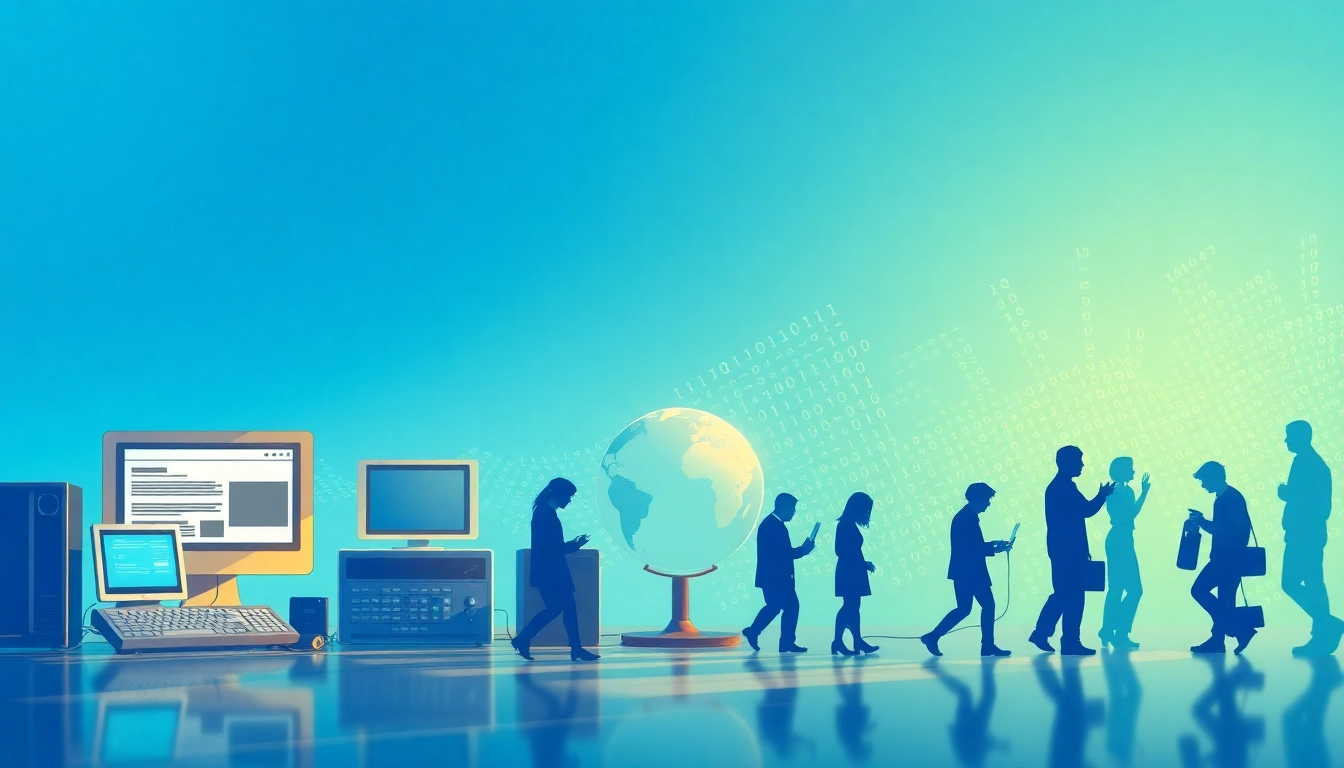
Introduction to Internet History
The journey of internet history is one filled with innovation, transformation, and societal change. It reflects not only technological advancements but also cultural shifts and the evolving nature of human interaction. The study of this history is crucial for understanding how we arrived at our current digital landscape and how it shapes our daily lives.
What is Internet History?
Internet history refers to the timeline of developments in the technological framework, protocols, and cultural implications that have shaped the web as we know it today. From its origins as a military network to the ubiquitous platform for information and communication, these milestones illustrate the growing importance of the internet in our world.
Importance of Studying Internet History
Studying internet history provides valuable insights into the motivations behind technological developments and societal reactions. It helps us understand the implications of internet governance, the evolution of online communities, and how the digital divide has impacted various demographics. Recognizing these historical trends can aid in formulating policies that address current issues and guide future innovations.
How Internet History Affects Modern Technology
The foundation laid by early internet developments significantly influences today’s technologies. Concepts such as cloud computing, social media, and even e-commerce are rooted in innovations from decades ago. As we explore the intricate web of internet history, we uncover the reasons behind contemporary issues, including cybersecurity challenges and data privacy concerns.
Early Developments in Internet History
The Birth of ARPANET
ARPANET, the Advanced Research Projects Agency Network, was the first successful packet-switching network and the precursor to the internet. Established in the late 1960s, it introduced the concept of connecting multiple computers, which would later evolve into today’s vast network. ARPANET wasn't simply a technological achievement; it facilitated groundbreaking communication between researchers and military personnel, establishing the groundwork for further innovations.
From Military to Public Use
Initially, ARPANET served the military and academic institutions, but the transition to public use came in the 1980s. This period witnessed an explosion in network accessibility with the introduction of the TCP/IP protocol, which standardized how data was transmitted across networks. By allowing various disparate networks to connect seamlessly, this change set the stage for a truly global internet.
Key Innovations in the 1980s
The 1980s were pivotal in expanding internet functionalities. The invention of the Domain Name System (DNS) simplified web navigation. This era also saw the emergence of email as a primary method of communication on the internet, revolutionizing how people interacted across distances. Each technological breakthrough contributed to a growing understanding of the internet’s potential and how it could be utilized in everyday life.
Milestones in Internet History: 1990s
The Introduction of the World Wide Web
The 1990s heralded the dawn of the World Wide Web, a user-friendly interface that transformed how users accessed information. Tim Berners-Lee's innovation of the web browser made internet navigation intuitive, essentially opening the floodgates for millions of users. This era sparked a surge of websites, fundamentally changing how businesses operated and how individuals consumed information.
Rise of Search Engines
As the web grew exponentially, so too did the need for efficient information retrieval. Early search engines like Yahoo! and AltaVista emerged, allowing users to navigate the vast online landscape. Later, Google disrupted the search engine market with its innovative algorithm and streamlined user experience, setting a new standard for how information was organized and accessed. The rise of search engines also marked the beginning of targeted advertising and SEO practices.
Social Platforms Begin to Emerge
As we transitioned through the 1990s, social platforms began to appear, laying the groundwork for our current digital social landscape. Sites like Six Degrees and GeoCities allowed users to connect and share content, foreshadowing the social media boom that would dominate the 2000s and beyond. This shift highlighted the internet’s potential as more than just an information source; it became a space for social interaction and community building.
2000s and the Explosion of Internet Usage
Impact of Broadband on Internet History
The introduction of broadband internet profoundly transformed how users accessed the web. No longer confined by the slow speeds of dial-up connections, users could stream video, engage with dynamic content, and participate in real-time online communication. This transition enabled an explosion of multimedia content creation and consumption, ushering in a new era where the internet became an integral part of daily life.
Mobile Internet Revolution
Alongside the broadband boom, the advent of smartphones marked another major milestone in internet history. Mobile devices equipped with fast internet connections allowed users to access online content on the go, revolutionizing how people interacted with the web. This shift not only changed consumer behavior but also encouraged the development of mobile-specific applications, influencing the entire tech ecosystem.
Emergence of Web 2.0 and User-Generated Content
Web 2.0 transformed the internet into a participatory platform where users were not just consumers of content but active contributors. Platforms like YouTube, Facebook, and blogs allowed individuals to share thoughts, creations, and experiences with a global audience. This shift highlighted the importance of community engagement and user-generated content, which became essential elements of online interaction.
The Future of Internet History
Current Trends Shaping Internet History
As we look toward the future, several trends are shaping the trajectory of internet history. The growth of artificial intelligence, the rise of virtual and augmented reality, and the increasing focus on the Internet of Things (IoT) will massively impact how we interact online. Moreover, these technologies promise to change how we perceive reality and communicate with one another, merging the digital with the physical world.
Privacy Concerns and Internet Regulations
With the growing prevalence of data breaches and privacy issues, regulatory measures are becoming crucial in maintaining user trust. Governments worldwide are beginning to recognize the need to establish clearer guidelines for data protection and user privacy. These regulations will help ensure that users can navigate the internet safely while fostering transparency in how data is collected and utilized.
Potential Developments in the Coming Years
Looking ahead, potential developments in internet technology could include increased integration of blockchain for secure transactions, further advancements in AI-driven data analytics, and the evolution of quantum computing that could revolutionize data processing capabilities. Each of these advancements carries the potential to reshape our digital landscape profoundly, influencing how we understand and interact with the internet.
FAQs About Internet History
What was the first website ever created?
The first website, created by Tim Berners-Lee in 1991, was dedicated to information about the World Wide Web project. It served as a simple page of information on how to use the web.
How did the internet start?
The internet began as ARPANET in the late 1960s, created for military purposes to facilitate communication between different research institutions and military bases.
What is Web 2.0?
Web 2.0 refers to the evolution of the web into a platform that emphasizes user-generated content, social networking, and interactivity, moving away from static web pages.
How has social media changed the internet?
Social media transformed the internet into a dynamic platform for interaction and community engagement, allowing individuals to share content, connect with others, and influence societal trends.
What are the future trends for the internet?
Future trends include the expansion of AI technologies, increased focus on privacy regulations, advancements in Internet of Things devices, and potential developments in virtual and augmented reality.