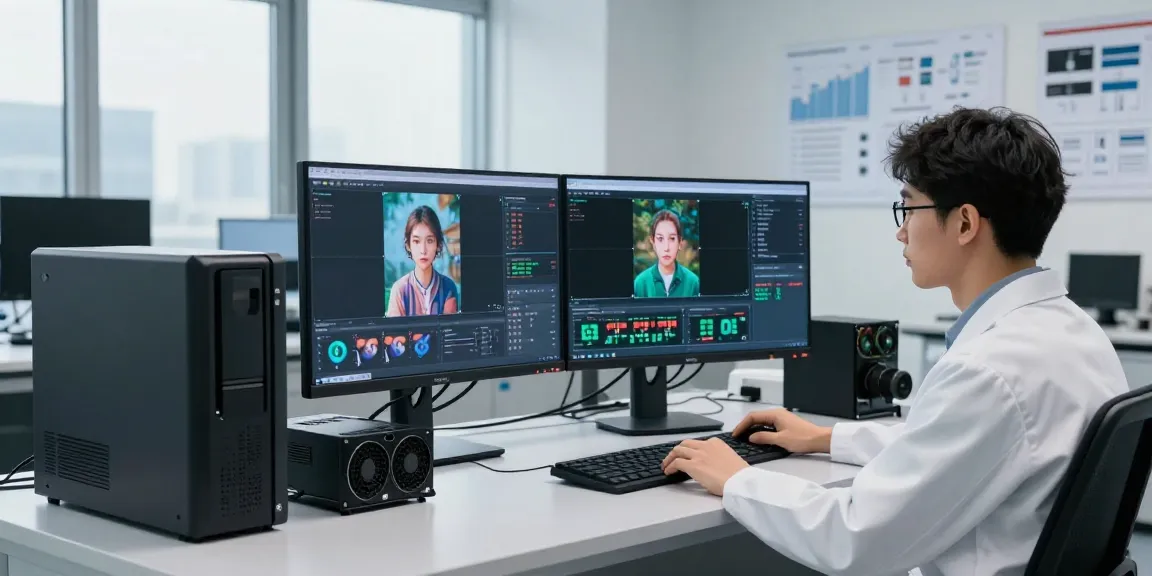
Understanding Deepfakes and Their Impact on Meetings
In the modern corporate landscape, video conferencing has become an essential tool for communication and collaboration. However, the rise of deepfake technology poses significant threats to the integrity of virtual meetings. Deepfakes leverage sophisticated artificial intelligence to create realistic video and audio clips that can convincingly alter perceptions of reality. As businesses increasingly rely on digital communications, understanding the risks associated with these technologies is paramount. When exploring options, Deepfake-protected meetings offer innovative solutions to mitigate these risks.
What are Deepfakes?
Deepfakes are synthetic media generated using machine learning algorithms, particularly deep learning techniques. They can create highly realistic audio, video, and images of individuals, making it appear as though they said or did something they never actually did. This technology is based on a combination of neural networks and vast amounts of training data, which allows for the recreation of human facial expressions, voice patterns, and even body language.
The Risks Associated with Deepfakes in Corporate Environments
The implications of deepfake technology in corporate settings are profound. For one, deepfakes can be used for malicious purposes, such as impersonating company executives during virtual meetings to extract sensitive information or initiate unauthorized transactions. The potential for fraud, data breaches, and loss of intellectual property increases significantly when organizations fail to protect against these threats. Moreover, the reputational damage from a successful deepfake attack can be long-lasting, eroding trust with clients and stakeholders.
Common Techniques Used by Malicious Actors
- Voice Cloning: Utilizing AI to mimic an individual's voice, making it easier for fraudsters to deceive colleagues.
- Facial Reconstruction: Manipulating video footage to superimpose a person's face onto another individual's body during a live call.
- Social Engineering: Combining deepfake technology with phishing techniques to impersonate senior management or trusted personnel.
Key Features of Deepfake Protection Technologies
AI-Powered Detection Mechanisms
Effective deepfake protection relies heavily on advanced AI detection systems. These systems analyze video feeds for inconsistencies such as unnatural facial movements, audio-visual synchronization issues, and lighting disparities. By employing machine learning to recognize these anomalies, organizations can identify potential deepfake content before it jeopardizes their meetings.
Real-time Monitoring and Alerts
To defend against emerging deepfake threats, real-time monitoring tools are crucial. These tools continuously scan video feeds for potential anomalies while providing alerts to users if suspicious activity is detected. This feature empowers organizations to respond swiftly and mitigate risks before any significant damage can occur.
Integration with Existing Video Conferencing Tools
Seamless integration with popular video conferencing platforms, like Zoom and Microsoft Teams, ensures that deepfake protection does not disrupt workflow. By enhancing existing tools rather than replacing them, organizations can maintain productivity while securing their communication channels. Many modern solutions provide plugins or APIs that easily fit into current digital ecosystems.
Implementing Deepfake Protection in Your Organization
Assessing Your Current Security Measures
The first step in safeguarding meetings against deepfake threats is assessing the existing security measures. Organizations should evaluate current protocols, such as authentication methods and access controls, to identify vulnerabilities that may allow deepfake technology to infiltrate their systems.
Best Practices for Training Employees on Deepfake Risks
Employee training is essential in combating deepfake threats. Regular workshops, seminars, and updates on emerging technologies can empower staff to recognize deepfakes and understand their potential dangers. Providing real-world examples can illustrate the consequences of falling victim to these scams, reinforcing the importance of vigilance.
Steps to Integrate Deepfake Protection in Meetings
- Choose A Reliable Solution: Research and select a deepfake protection solution that best meets your organizational needs.
- Conduct Pilot Tests: Implement the solution in small, controlled group meetings to assess its effectiveness before a full rollout.
- Regularly Update and Maintain: Ensure that your protection measures are regularly updated to counteract evolving threats.
Case Studies: Companies Successfully Implementing Deepfake Protection
Leading Corporations and Their Security Strategies
Many leading organizations have already taken proactive steps to safeguard their meetings from deepfake attacks. For example, a prominent financial institution integrated AI-based monitoring with its video conferencing tools, significantly reducing instances of impersonation fraud.
Real-World Outcomes and ROI
Companies that have adopted deepfake protection measures report not only enhanced security but also an overall increase in employee satisfaction and confidence during meetings. The return on investment (ROI) becomes evident when considering the potential costs associated with deepfake-related fraud and the protection of intellectual property.
Lessons Learned from Deepfake Incidents
Reviewing past incidents involving deepfakes can provide valuable insights. Organizations that conducted thorough analyses of the attacks were able to enhance their security frameworks, integrating lessons learned into their training programs and protection strategies.
The Future of Deepfake-Protected Meetings in 2026
Emerging Technologies and Trends
The landscape of deepfake technology is continuously evolving, paralleling advancements in AI and machine learning. Future trends may include the development of more sophisticated detection algorithms, improved real-time monitoring, and even biometric authentication methods to verify participant identities during meetings.
Predictions for Corporate Security and Communication
As organizations move towards a more digital-centric future, the importance of deepfake protection will only increase. Companies that prioritize security in their virtual communications will likely maintain a competitive advantage, fostering trust and reliability among their stakeholders.
How to Stay Ahead of Deepfake Threats
Staying ahead of deepfake threats involves continuous education, investment in cutting-edge technologies, and fostering a security-conscious culture within organizations. By remaining vigilant and proactive, companies can not only protect themselves from immediate threats but also adapt to the evolving landscape of corporate communication and security challenges.
Are deepfakes actually illegal?
While creating deepfakes is not inherently illegal, there are laws governing their use, especially when they infringe upon privacy rights or are used for malicious purposes. Legal frameworks are being developed to address the complexities surrounding deepfakes, with an emphasis on ensuring accountability.
What does deepfake protection mean?
Deepfake protection refers to implementing strategies and technologies designed to detect and counter deepfake content, thereby securing virtual spaces from malicious impersonation risks. This involves using AI detection mechanisms, real-time monitoring, and employee training programs.
What states allow deepfakes?
Deepfake regulations vary by state, with some states enacting specific legislation to govern their use, particularly in contexts like political campaigning or defamation. It's essential for organizations operating across different jurisdictions to stay informed about applicable laws.
What is the 3 finger test for AI?
The "3 finger test" refers to a method some people use to evaluate the authenticity of AI-generated content. The test encourages individuals to question the credibility of the source, the context in which the content appears, and to seek verification from trusted channels before accepting it as genuine.
How effective are deepfake detection technologies?
Deepfake detection technologies have seen substantial advancements, with many tools capable of identifying even sophisticated deepfakes through intricate analysis. However, no solution is foolproof, and a multi-layered security approach is advisable to ensure comprehensive protection.