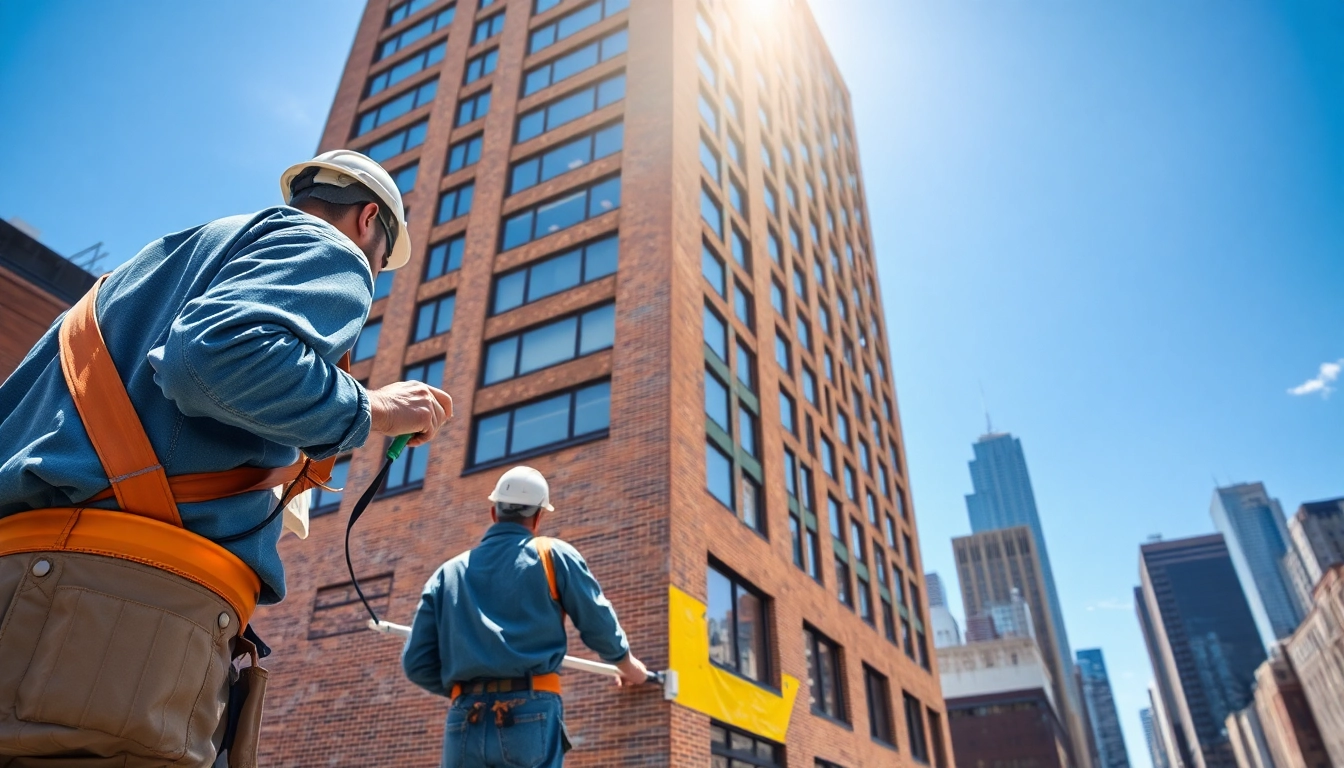
Understanding the Importance of Commercial Painting
When it comes to business branding and aesthetics, commercial painting plays an instrumental role in creating an inviting atmosphere that can influence customer perceptions and drive sales. The right colors and finishes can elevate the overall appeal of a corporate environment, making it essential for businesses to invest in quality painting services. This article will delve into the multifaceted importance of commercial painting, exploring its various aspects and benefits.
What is Commercial Painting?
Commercial painting refers to the process of applying paint, stains, and finishes to commercial properties such as offices, retail stores, and warehouses. Unlike residential painting, which focuses on homes, commercial painting projects often involve larger spaces, specialized techniques, and consideration for factors like durability and maintenance. Professional commercial painters are equipped with the necessary tools and knowledge to handle industrial-grade materials and comply with safety regulations, ensuring a smooth and successful project.
The Impact of Color on Business
Studies have shown that color can significantly affect consumer behavior. For instance, different colors evoke various emotions and reactions. Blue is often associated with trust and professionalism, making it a popular choice for corporate offices. On the other hand, vibrant colors like red can stimulate excitement and energy, making them ideal for retail spaces. Understanding how colors influence perceptions is crucial when planning a commercial painting project. By selecting the appropriate color schemes, businesses can enhance their brand messaging and customer engagement.
Benefits of Professional Commercial Painting
- Enhanced Brand Image: A well-painted commercial space can enhance a brand’s image, reflecting professionalism and attention to detail.
- Durability: Professional painters use high-quality paints meant to withstand wear and tear, ensuring longevity.
- Safety Compliance: Professionals are familiar with safety regulations, ensuring that projects comply with industry standards.
- Time Efficiency: Skilled teams complete projects faster and with fewer disruptions, allowing business operations to continue smoothly.
- Expert Consultation: Professional painters can provide valuable advice on color choices, finish types, and material selection.
Choosing the Right Commercial Painting Service
Selecting the right painting service is pivotal in achieving the desired outcome for your commercial space. Not all painting contractors deliver the same quality, and understanding how to evaluate them can save time and money in the long run.
Key Qualities to Look For
- Experience: Opt for contractors with a proven track record in commercial painting.
- Licensing and Insurance: Ensure that the contractor holds the necessary licenses and insurance to protect against liabilities.
- Reputation: Check online reviews, testimonials, and references to gauge customer satisfaction.
- Portfolio: Review their past projects to assess quality and style.
- Transparency: A good contractor will provide detailed estimates with clear breakdowns of costs.
Evaluating Service Providers
Beyond merely looking at price, evaluating service providers should consist of several factors, including communication, professionalism, and the scope of services. A reliable contractor should offer comprehensive consultations, discussing your vision and providing insight into the best solutions for your needs. You should also inquire about their process for preparing for the painting job, including how they address any potential disruptions to your business.
Understanding Pricing Structures
Commercial painting services can vary significantly in cost based on factors such as the size of the job, materials used, and complexity of the work. It's essential to obtain multiple quotes from different contractors, allowing for proper comparison. Be careful of unusually low bids, which may indicate inferior quality. Always remember that you get what you pay for, and investing wisely in a painting service can yield better results and savings over time.
Preparing Your Space for Commercial Painting
Preparation is a vital step in any commercial painting project. Proper preparation not only ensures the best results but also enhances the efficiency of the job.
Essential Pre-Painting Considerations
- Space Assessment: Conduct a thorough evaluation of the space to identify any issues that need correction before painting.
- Timelines: Plan for a painting schedule that minimizes interference with regular business operations.
- Color Samples: Experiment with color samples in the space to see how they look under different lighting conditions.
- Workspace Clutter: Clear the area of furniture or any obstacles to make the workspace readily accessible for the painting team.
Coordinating with Your Painting Team
Effective communication with the painting team is essential for a seamless project. Ensure you discuss your deadlines, any specific requirements, and the desired finish. Providing clear instructions and being available for questions or concerns can help prevent misunderstandings and ensure a mutual understanding of expectations.
Damage Repair Prior to Painting
Before embarking on a painting project, any damage such as cracks, peeling paint, or rotting wood must be repaired. Neglecting these issues can lead to poor results and increased maintenance costs in the long run. Professional painting services often provide repair services that include patching up surfaces and ensuring they are smooth and ready for paint application.
Types of Commercial Painting Techniques
When considering commercial painting, knowing the various techniques can help businesses achieve the look they desire while also considering functionality and durability.
Popular Coatings in Commercial Painting
- Acrylic Paint: Known for its versatility, acrylic paint provides a durable finish and is suitable for both interior and exterior applications.
- Enamel Paint: Often used for metal surfaces and high-traffic areas due to its tough, glossy finish.
- Epoxy Coatings: Ideal for industrial settings, epoxy coatings offer exceptional durability and resistance to chemical spills and abrasion.
- Low-VOC Paints: These environment-friendly options minimize harmful emissions while still providing good coverage and durability.
Eco-Friendly Painting Options
With the growing emphasis on sustainability, many businesses opt for eco-friendly painting solutions. These options include low-VOC or VOC-free paints, which reduce harmful emissions and contribute to healthier indoor air quality. Additionally, using natural paints made from sustainable materials can alleviate environmental impacts while still providing effective coverage and aesthetic appeal.
Specialty Finishes for Unique Environments
Different commercial environments may require specialty finishes that support their specific functionalities. For example, anti-graffiti coatings can be beneficial for public spaces, while antimicrobial finishes are significant in healthcare settings to inhibit the growth of bacteria. Consulting with professional painters familiar with these options can help in selecting the best finishes for your specific needs.
Post-Painting Recommendations
Once the painting project is complete, proper care and maintenance are critical in preserving the quality of your newly painted commercial space.
Maintenance Tips for Long-Lasting Results
- Regular Cleaning: Dust and grime can accumulate on walls, so regular cleaning will keep the surfaces looking fresh.
- Minor Repairs: Address any scratches or chips immediately to prevent further damage and maintain aesthetics.
- Inspection: Periodically inspect your walls for any peeling or fading that may require touch-ups.
- Professional Touch-Ups: Engage professional painters for extensive maintenance or where specialized skills are needed.
Signs You Need a Repaint
Knowing when your commercial space requires a repaint can save you from larger issues down the line. If you observe fading colors, visible wear and tear, or peeling paint, it's time to consider a fresh coat. Addressing these concerns promptly can help maintain your business's professional appearance and protect your property investment.
Why Regular Upkeep is Essential
Regular upkeep of commercial painting is essential to maintain not only aesthetics but also the integrity of the painted surfaces. Neglecting maintenance can lead to more severe damage requiring extensive repairs and increased costs. Creating a scheduled maintenance plan allows businesses to uphold their brand image and are more appealing to customers.
Frequently Asked Questions
What types of paints are used in commercial painting?
Common types include acrylic, enamel, epoxy, and low-VOC paints, each chosen based on the specific needs of the space.
How often should commercial spaces be repainted?
It generally depends on traffic and environmental conditions, but commercial spaces often need repainting every 3-5 years.
Can I stay open during the painting process?
With careful planning and communication, many businesses can remain operational during painting, especially if done in stages.
Are eco-friendly paints more expensive?
While eco-friendly paints can sometimes cost more upfront, they often provide long-term savings through reduced maintenance and health benefits.
How do I prepare my business for painting?
Clear the workspace, communicate with the painting team, and assess any necessary repairs to ensure a smooth process.
Contact Information
Address:Branam Brushworks LLCCall Us:+12076168892