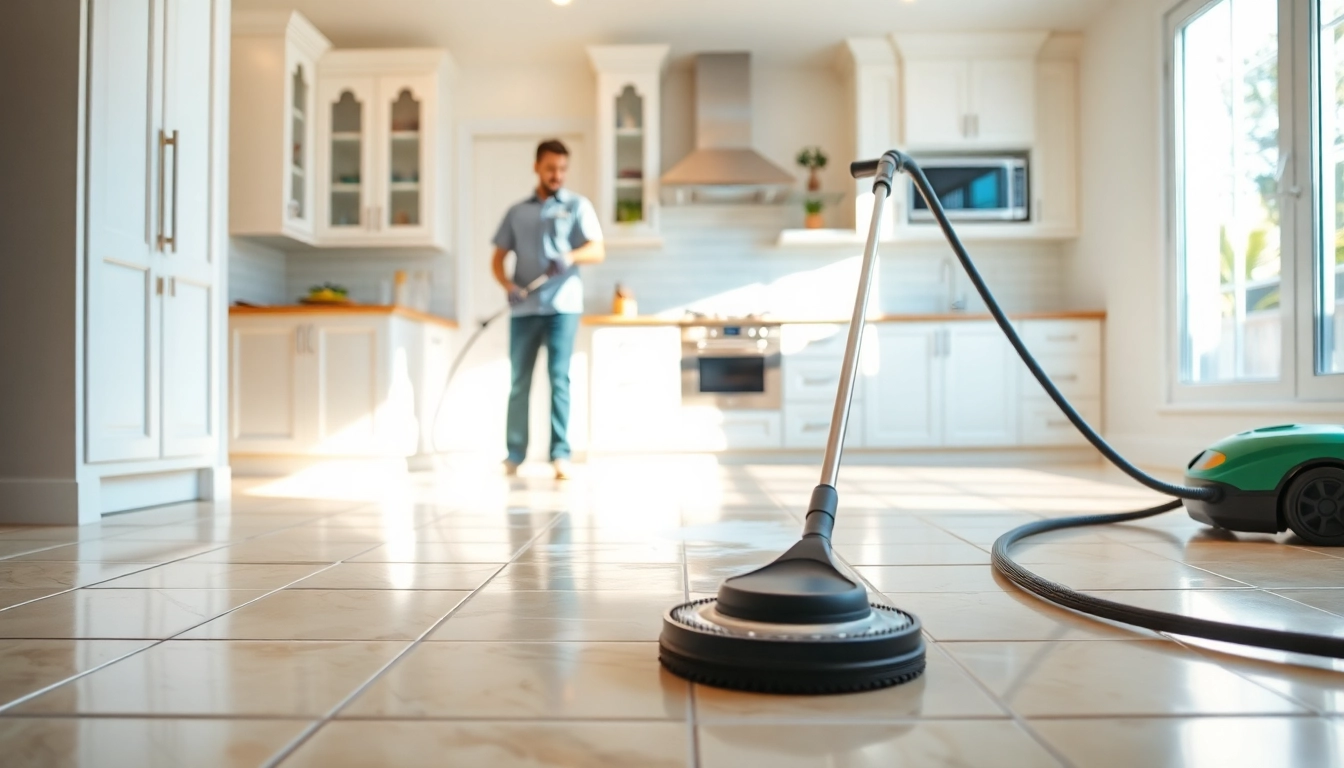
Understanding Tile Cleaning: Basics and Benefits
What is Tile Cleaning?
Tile cleaning is the process dedicated to removing dirt, grime, stains, and other pollutants from tile surfaces. Whether it's in the kitchen, bathroom, or any other space within a home, tiles can accumulate a variety of substances that diminish their aesthetic appeal and weakening their protective layers. The cleaning process may include either surface cleaning with mops and appropriate cleaners or deeper excavation using steam cleaning or scrubbing methods. Understanding the right technique and chemicals to use is essential to achieving maximum cleanliness and preserving the integrity of the tiles.
Key Benefits of Professional Tile Cleaning
Engaging professionals for tile cleaning placer county offers several advantages. Firstly, professional services utilize high-grade equipment and effective cleaning solutions that can deliver results far superior to typical DIY methods. They can efficiently eliminate stubborn stains, mold, or mildew buildup that may lurk in the grout lines or on the tile surface. Moreover, professional cleaners often apply sealants after cleaning that can protect tiles from future stains and prolong their life. This not only saves money spent on replacement in the long run but also enhances the overall appearance and hygiene of your home.
Common Myths about Tile Cleaning
Despite the growth of awareness about tile cleaning, several myths persist. A prevalent misconception is that cleaning tile floors is the same as cleaning carpets—a major mistake, since tiles require specific techniques and products to avoid damage. Another myth is that vinegar is an all-purpose cleaner for tiles. While it may be effective on some surfaces, it can harm grout and natural stone tiles. Understanding these misconceptions is crucial for maintaining your tile surfaces effectively and preserving their beauty.
Types of Tile and Their Cleaning Needs
Ceramic vs. Porcelain Tiles
Ceramic and porcelain tiles are two of the most popular options for homeowners, but they differ significantly in their composition and cleaning needs. Ceramic tiles are made from clay and have a porous surface that requires regular sealing to prevent stains. They typically handle most cleaning agents well. Porcelain tiles, however, are denser and less porous, making them more resistant to stains and easier to clean. This durability makes them a favorite in high-traffic areas. When cleaning these tiles, it is essential to use appropriate cleaners that respect their unique properties.
Natural Stone Tiles and Care Tips
Natural stone tiles, such as granite, marble, or slate, offer a unique aesthetic but require more delicate care. They are porous and can easily absorb spills, leading to permanent stains or damage if not cared for properly. It is advisable to use pH-balanced cleaners specifically designed for natural stone, and to apply a sealant regularly to provide extra protection. Additionally, avoid harsh scrubbing tools that can scratch the surface of natural stone tiles.
Best Practices for Different Tile Types
Maintaining tile cleanliness involves specific best practices depending on the type of tile in your home. For ceramic tiles, regular sweeping and mopping using a mild detergent can help keep them looking fresh. The same routine applies to porcelain, although these tiles may require less frequent sealing. For natural stone, it’s vital to immediately clean spills and avoid acidic cleaners. Always follow the manufacturer’s guidelines for any specific tile type to prevent long-term damage.
DIY Tile Cleaning Techniques
Essential Tools for Homeowners
Successful DIY tile cleaning requires some essential tools that homeowners should consider investing in. Key tools include a high-quality mop, a bucket, microfiber cloths, soft-bristle brushes for scrubbing, and a vacuum or broom for debris removal. Additionally, having a range of cleaning solutions—ranging from natural options like baking soda and vinegar (with caution near grout) to commercial tile cleaners—can enhance your cleaning routine.
Step-by-Step Guide for Effective Cleaning
The process of cleaning tiles may seem straightforward, but following a systematic approach enhances results. Start by sweeping or vacuuming the area to eliminate loose dirt and debris. Next, prepare your cleaning solution; for ceramic tiles, a mix of warm water and a few drops of dish soap works well, while for tougher stains on porcelain, a specialized cleaner may be necessary. Apply the solution using a mop and scrub stubborn areas with a soft-bristle brush. Finally, rinse with clean water to eliminate any soap residue and let the tiles air dry.
Common Mistakes to Avoid
When cleaning tiles, it’s easy to fall into common traps that can compromise the cleaning effort. One mistake is using a mop that’s too wet, which can lead to water pooling and long drying times, creating potential slip hazards. Additionally, not rinsing properly can leave soap residue that makes tiles appear dull over time. Lastly, using abrasive cleaning tools on delicate surfaces can cause scratches or damage. Awareness of these mistakes and avoiding them can significantly improve the effectiveness of tile cleaning efforts.
When to Hire Professionals for Tile Cleaning
Signs Your Tiles Need Expert Care
Identifying when to hire professionals is crucial for maintaining the integrity of your tiles. Signs indicating the need for expert cleaning include visible stains that refuse to budge despite diligent cleaning efforts, a musty or damp smell from grout that could indicate mold presence, or tiles that look dull and lack their original shine. If you notice any of these signs, it may be time to consider professional help, particularly for heavily trafficked areas.
Factors Affecting Professional Cleaning Costs
The cost of professional tile cleaning can vary based on several factors, including the type of tile, the size of the area being cleaned, and the specific services requested. For instance, deep cleaning natural stone tiles may carry a higher price due to the delicate handling required. Additionally, the time of year, the service provider's experience, and the cleaning methods they employ can also influence pricing. Understanding these factors will help you budget effectively for tile cleaning services.
Selecting the Right Service Provider
When choosing a professional tile cleaning provider, consider their certifications, client reviews, and experience level. An established provider who understands various tile types and utilizes safe, effective cleaning methods will be able to give your tiles the best care. It’s advisable to request quotes from multiple services to compare prices and ensure you're not only choosing the most affordable option but also recognizing quality and reliability.
Maintaining Clean Tiles: Tips and Tricks
Routine Care for Lasting Cleanliness
To maintain clean tiles, establish a regular cleaning routine that prevents dirt accumulation. Sweep or vacuum high-traffic areas weekly, and mop these spaces monthly using a gentle cleaning solution. This consistent maintenance will keep your tiles looking fresh and prolong their life. Observing tiles frequently allows you to address minor stains before they become problematic.
Use of Sealants to Protect Your Tiles
Applying sealants to your tiles can act as a barrier against dirt, liquids, and stains, helping keep your tiles in great shape over the years. Sealants are particularly crucial for natural stone and ceramic tiles as they reduce permeability. It is vital to reapply sealants periodically, typically every few years, based on usage and wear, to maintain their effectiveness.
Cleaning Schedule: What to Follow
Creating a cleaning schedule that breaks down weekly, monthly, and annual tasks can streamline tile maintenance. A weekly sweep or vacuum, a monthly mop, and an annual professional deep cleaning should be a good guideline. Marking these tasks on a calendar can help ensure that your tiles stay clean and in well-maintained condition throughout the year.
Frequently Asked Questions
How often should I clean my tile floors?
Tiles should be cleaned at least monthly, but high-traffic areas may require weekly attention to maintain their appearance.
Can I use vinegar for tile cleaning?
While vinegar can be effective on certain surfaces, it may damage grout or natural stone. Use specialized cleaners instead.
What are the advantages of professional tile cleaning?
Professional cleaning removes deep stains, eliminates mold and bacteria, and revitalizes the tile’s appearance far better than DIY methods.
Is steam cleaning safe for all tile types?
Most tiles can withstand steam cleaning, but it's best to check guidelines for your specific tile type to avoid damage.
How long does it take for the tiles to dry after cleaning?
Typically, tiles may take 1-2 hours to dry completely after professional cleaning, depending on the humidity and ventilation in the area.