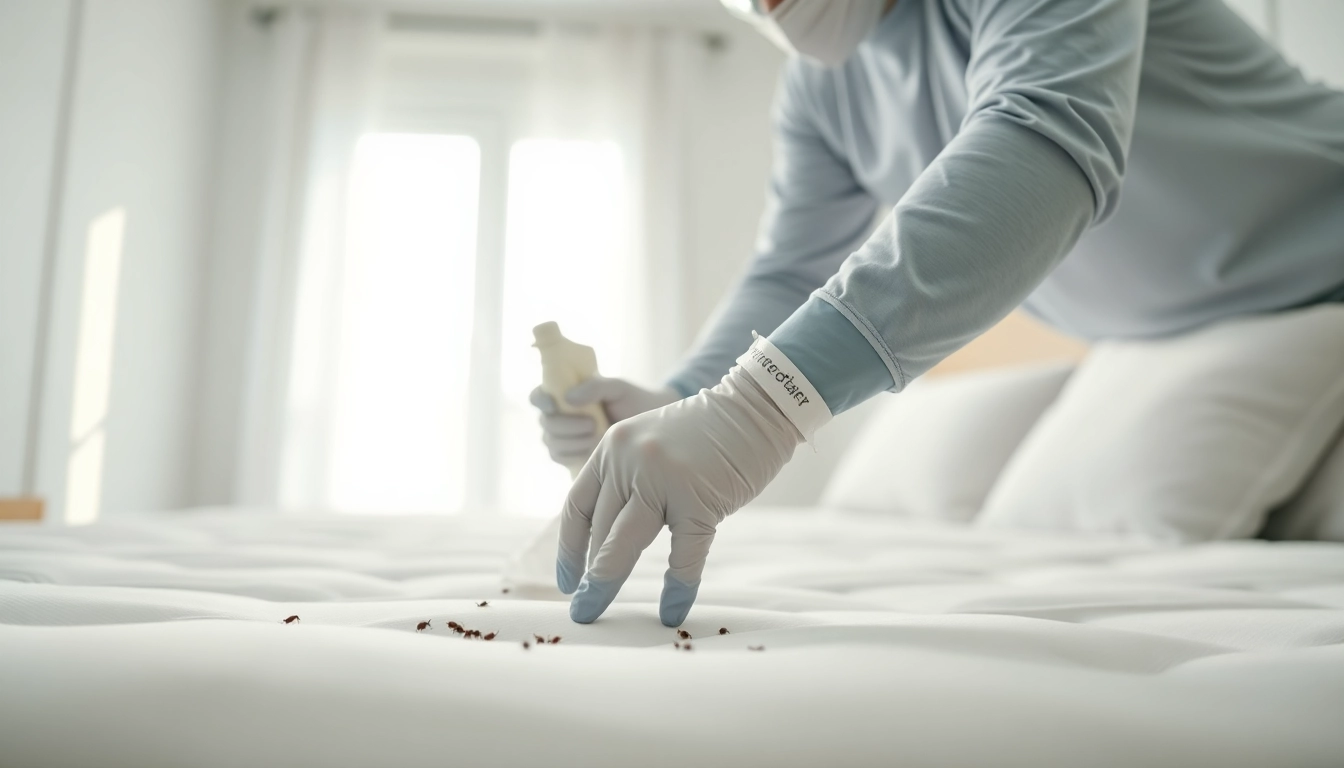
Understanding Bed Bugs: Identification and Behavior
What Are Bed Bugs?
Bed bugs are small, nocturnal insects that feed primarily on human blood. Their flat, oval bodies allow them to hide easily in crevices and seams, making them a notorious pest in homes, hotels, and other accommodations. These insects belong to the Cimicidae family and the species most commonly affecting humans is Cimex lectularius. Adult bed bugs can grow to about 4 to 5 mm in length, making them discernible to the naked eye, but their population can explode if left untreated.
Signs of Infestation
Recognizing the signs of a bed bug infestation is crucial for effective bed bug removal. Key indicators include:
- Dark spots on bedding, mattresses, and walls—these can be bed bug droppings.
- Blood stains on sheets and pillowcases from crushed insects during sleep.
- Evidence of eggs or shed skins in areas where bed bugs hide.
- Persistent itching and skin rashes, which may indicate bites on exposed body parts.
Behavior and Life Cycle of Bed Bugs
Bed bugs undergo a lifecycle that consists of five nymphal stages followed by adulthood. A female can lay up to 500 eggs in her lifetime, with a preference for warm, dark locations. Bed bugs are primarily active at night, making them difficult to spot. Their resilience to environmental changes and varied survival mechanisms mean that a minor infestation can quickly become a major problem.
Preparing for Bed Bug Removal
Assessing the Infested Area
The first step in preparing for bed bug removal is a thorough inspection of the affected area. Look for signs of infestation in bedrooms, living rooms, and any areas where people sleep or sit for extended periods. Check the seams of mattresses, behind headboards, within furniture cracks, and even in electrical outlets. A detailed assessment will guide the choice of intervention methods.
Essential Tools and Supplies
Gathering the right tools is essential for effective bed bug treatment. Necessary items include:
- A strong vacuum cleaner for removing visible bed bugs and eggs.
- Plastic bins for isolating infested items.
- Heat sources, such as a steam cleaner or a clothes dryer set to high temperatures.
- Pesticides suitable for indoor use, if opting for chemical treatments.
- Protective gear including gloves, masks, and eye protection to ensure safety during treatment.
Safety Precautions to Take
Taking safety precautions is critical when preparing for bed bug removal. Always ensure that any chemicals used are safe for children and pets. Follow the manufacturer's instructions meticulously. Adequate ventilation is essential when using sprays or powders. It's advisable to treat infested areas when residents are away, allowing for proper containment and air circulation.
Methods of Bed Bug Removal
DIY Strategies for Bed Bug Removal
Before hiring professionals, many homeowners opt for DIY methods to treat bed bug infestations. Effective strategies include:
- Using a high-temperature steamer on affected furniture and areas.
- Washing infested clothing, bedding, and curtains in hot water and drying them at high heat.
- Applying diatomaceous earth in areas of high activity; this natural pesticide dries out the exoskeletons of the insects.
- Employing traps specifically designed to lure and catch bed bugs, helping to monitor the infestation level.
Using Chemical Treatments Safely
If DIY approaches are ineffective, chemical treatments may be necessary. It’s important to select appropriate pesticides and to understand their application methods thoroughly. Key points include:
- Choosing products that are specifically labeled for bed bugs.
- Following all safety precautions, such as wearing protective clothing.
- Sealing cracks and crevices to prevent further entry and facilitating the chemical's proper application.
- Understanding that multiple treatments may be required to completely eradicate the infestation.
Professional Extermination Services
If the infestation is severe or if DIY efforts fail, enlisting professional exterminators is the best course of action. They offer the advantage of technical expertise, specialized equipment, and more potent treatment options. They will likely employ a combination of:
- Heat treatment, which elevates the temperature in infested areas to eliminate bed bugs effectively.
- Insecticides that are not readily available to consumers.
- Follow-up services to ensure the treatment's efficacy and to monitor for re-infestation.
Post-Removal: Preventing Future Infestations
Best Practices for Prevention
Prevention is key in avoiding future bed bug infestations. Best practices include:
- Using mattress and pillow encasements to provide a protective barrier against bed bugs.
- Regular vacuuming and thorough cleaning of living spaces.
- Maintaining awareness when traveling—inspect hotel rooms and keep luggage off the floor.
- Encouraging open dialogue about pests in community living situations to ensure everyone remains vigilant.
Regular Maintenance and Inspections
Ongoing maintenance is crucial in preventing bed bug problems. Implement a regular inspection schedule, particularly in areas frequently occupied by several people. Engage in seasonal deep cleanings, which provide an opportunity for thorough inspections.
Dealing with Resurgence of Bed Bugs
Despite best efforts, a resurgence of bed bugs can happen, especially in high-traffic areas. If signs of re-infestation occur, it’s vital to act quickly. Utilize the knowledge gained from the initial extermination process and apply the necessary treatments promptly while monitoring for new signs of activity.
Frequently Asked Questions About Bed Bug Removal
How long does bed bug removal take?
The duration of bed bug removal can vary widely, ranging from a few days to several weeks depending on infestation severity, treatment methods chosen, and thoroughness of follow-up inspections.
Are bed bug treatments safe for children and pets?
Many bed bug treatments are formulated to be safe; however, precautions should be taken. Always check product labels, and consult with professionals to ensure safety for children and pets during and after treatment.
What should I expect after professional treatment?
Post-treatment, it's common to see some live bugs or bites in the initial days as treatment may take time to be effective. Regular follow-ups and inspections are typically recommended to ensure complete eradication.
Can I stay in my home during bed bug treatment?
Depending on the methods used, such as chemical treatments, it might be advisable to vacate the premises temporarily. Your exterminator will provide specific instructions based on their plan.
What products are recommended for DIY bed bug removal?
For DIY removal, it's best to use high-grade steamers, diatomaceous earth, and insecticidal dusts. Ensure they are specifically labeled for bed bug control and follow safety instructions for use.