Getting Started with Giant Building Blocks
What Are Giant Building Blocks?
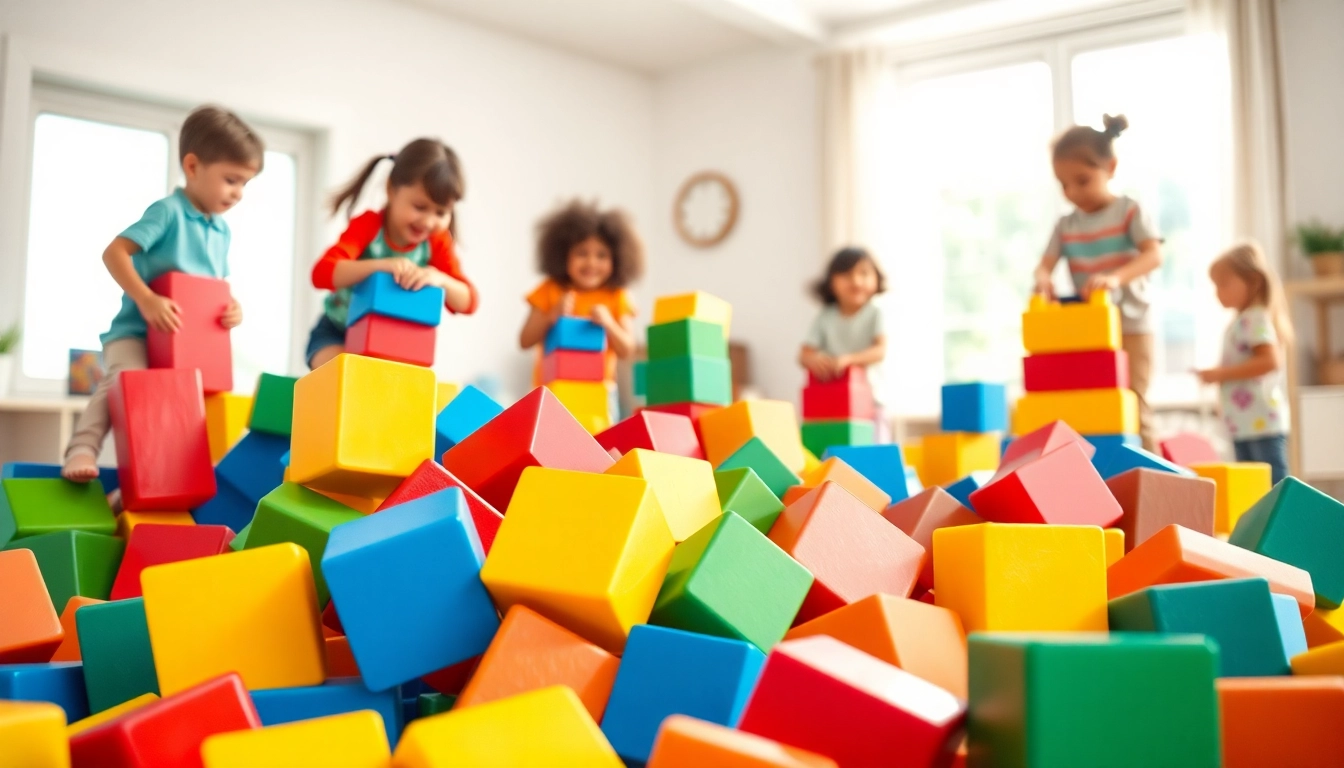
Giant building blocks are large, lightweight, and often colorful construction pieces designed for children’s play. Typically made from durable foam, plastic, or wood, these blocks come in various shapes and sizes, encouraging open-ended play. Their increased size makes them suitable for toddlers and preschool-aged children, ensuring that kids can build grand structures while minimizing the risks associated with smaller blocks. Their engaging designs often lead to imaginative play, transforming any space into a vibrant construction zone.
Benefits of Playing with Building Blocks
Playing with giant building blocks offers numerous benefits, contributing to children's development in various areas:
- Creative Thinking: The open-ended nature of block play allows children to envision and create whatever comes to their mind, enhancing their imaginative capabilities.
- Spatial Awareness: As children stack, balance, and align blocks, they learn about spatial relationships and geometry in a hands-on way.
- Confidence Building: Successfully creating structures fosters a sense of achievement, promoting self-esteem.
- Enhanced Vocabulary: Describing their creations or engaging in cooperative play helps children expand their language skills.
Safety Considerations for Indoor Play
While giant building blocks are designed with safety in mind, there are still important considerations for indoor play:
- Material Selection: Choose blocks made from non-toxic materials that are safe for children.
- Age Appropriateness: Ensure the size of the blocks is appropriate for the age of your child to prevent choking hazards.
- Supervision: Always supervise children during play to ensure safe interactions and prevent accidents.
Enhancing Creativity Through Play
Ways Play Encourages Imagination
Play is more than just fun; it’s a fundamental aspect of childhood development. Kids express their understanding of the world through imaginative play. Giant building blocks encourage:
- Role-Playing: Children often invent narratives around their creations, acting out scenarios that build social skills and emotional intelligence.
- Problem-Solving: Facing construction challenges prompts kids to strategize and rethink their designs, enhancing cognitive flexibility.
Incorporating Themes in Block Play
Thematic play takes creativity to the next level. By incorporating themes such as space, construction sites, or castles, children are inspired to create with specific stories in mind. This can involve:
- Creating Settings: For a castle theme, children can design towers, draw bridges, and walls, fostering a sense of adventure.
- Collaborative Storytelling: With multiple children involved, they can build a cohesive narrative while working together, enhancing their teamwork abilities.
Combining Art and Building for Unique Experiences
Integrating art into block play introduces new dimensions to creativity. Kids can:
- Paint Blocks: Allowing kids to decorate blocks promotes ownership and personalization of their creations.
- Mixed Media Creations: Combining blocks with other materials like cardboard, fabric, or recycled items leads to innovative building and design experiences.
Building Skills with Giant Blocks
Developing Motor Skills and Coordination
Manipulating large blocks is an excellent way for young children to develop fine and gross motor skills. Activities involving lifting, throwing, and balancing these blocks strengthen muscles and improve coordination. Consider activities like:
- Stacking Challenges: Encourage children to stack blocks as high as they can without toppling.
- Obstacle Courses: Use blocks to create a course that requires crawling under or climbing over, enhancing physical agility.
Fostering Teamwork and Social Skills
When playing with others, children learn how to collaborate effectively. Block play serves as a platform for:
- Sharing Ideas: Kids discuss their plans and negotiate on how to build, improving communication skills.
- Conflict Resolution: They may encounter disagreements during play, providing opportunities to practice solving conflicts amicably.
Learning STEM Concepts Through Building
Giant building blocks are not just toys; they are powerful tools for introducing STEM concepts in a fun and engaging way:
- Mathematics: As children count and measure their blocks, they engage in basic arithmetic and mathematical thinking.
- Physics: Understanding balance, gravity, and stability through trial and error fosters scientific inquiry.
- Engineering Principles: By constructing varying designs, children learn about structures and architectural concepts.
Creative Indoor Challenges
Fun Building Games for Kids
To keep interest high and provide structured yet fun play, consider organizing games such as:
- Timed Building: Set a timer and challenge kids to build a specific structure within a designated timeframe.
- Blindfolded Building: This game encourages communication and trust as children guide their blindfolded peers in constructing something together.
Themed Building Challenges
Introduce themed challenges to spark imagination and creativity. Examples include:
- Space Station: Challenge kids to design their version of a space station using blocks.
- Animal Kingdom: Have them create habitats for different animals, fostering conversations about wildlife and nature.
Designing a Block Building Contest
A block building contest can be a fantastic way to encourage creativity while also providing a competitive element. Consider these steps:
- Set Rules: Clearly outline what can and cannot be used in the contest.
- Judging Criteria: Establish categories for judging, such as creativity, stability, and teamwork to ensure fair assessment.
FAQs About Giant Building Blocks
How do I choose the right blocks for my child?
Look for sizes suitable for their age, focusing on safety and ease of use.
What are the best play scenarios for giant blocks?
Consider structured playdates, open-ended exploration, or themed activities to ignite creativity.
Are giant building blocks safe for younger children?
Yes, ensure they are made from non-toxic materials and are large enough to prevent choking hazards.
How can I clean the blocks?
Use mild soap and water, then air dry to maintain their quality and safety.
Can giant blocks help with learning?
Definitely! They promote skill development in science, technology, engineering, and math through active play.
With all the countless ways to engage with giant building blocks, families can create memorable experiences while promoting essential developmental skills. If you want to discover more about enhancing your child's playtime with these versatile toys, the potential for creativity and learning is boundless!