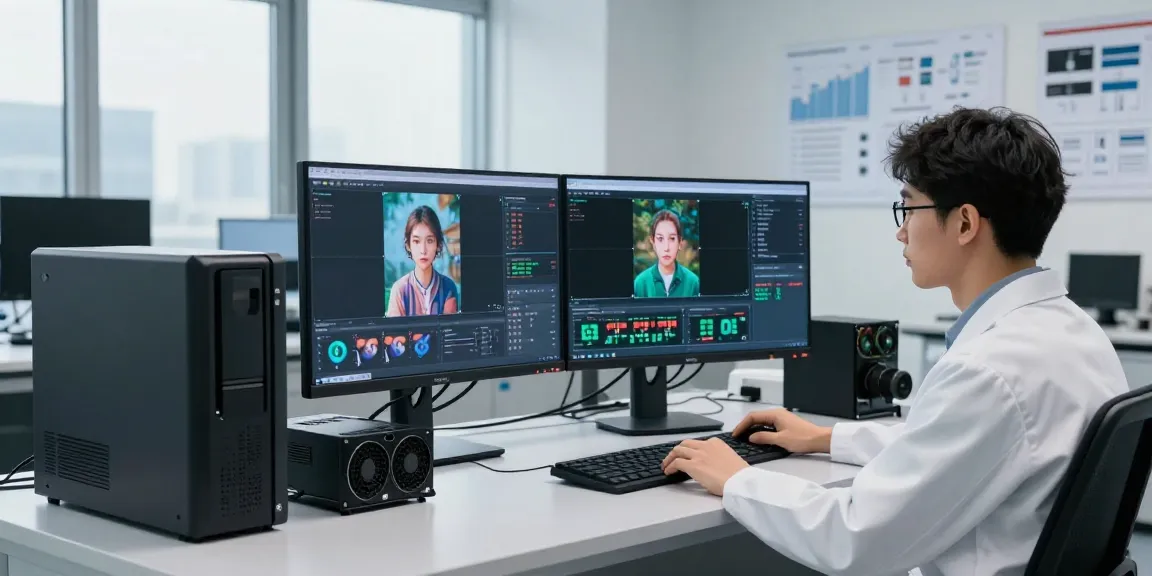
Understanding AI-Generated Image Detection
As the digital landscape evolves, the rise of AI-generated images presents both exciting opportunities and significant challenges. AI-generated image detection has become a crucial area of focus for industries ranging from media to cybersecurity. The ability to accurately identify images created by AI can help protect intellectual property, maintain the integrity of digital content, and combat misinformation. When exploring options, AI-Generated Image Detection provides comprehensive insights and tools that can enhance detection capabilities.
What is AI-Generated Image Detection?
AI-generated image detection refers to the processes and technologies that enable the identification of images created or manipulated by artificial intelligence systems. These systems can generate highly realistic images that are often indistinguishable from those captured by human photographers. Detection efforts involve the application of sophisticated algorithms, machine learning techniques, and forensic analysis to differentiate between authentic and synthetic images.
Importance of Accurate Image Detection
The implications of failing to accurately detect AI-generated images are profound. In sectors such as journalism, social media, and advertising, misleading or manipulated visuals can affect public perception and trust. For instance, deepfakes—images and videos that have been altered using AI to create lifelike simulations—pose significant risks, including potential defamation and the spread of false information. Accurate detection systems not only protect the integrity of visual content but also safeguard individuals and organizations against potential reputational damage.
Common Techniques Used in Detection
Various methodologies have been developed to detect AI-generated images. These include:
- Forensic Analysis: Techniques that scrutinize image attributes such as pixel integrity, compression artifacts, and metadata.
- Machine Learning Algorithms: Models trained to recognize patterns typical of AI-generated images, differentiating them from genuine photographs.
- Ensemble Methods: Combining multiple detection models to improve accuracy and reduce false positives.
Challenges in AI-Generated Image Detection
Identifying Fake vs. Real Images
The boundary between real and fake images is becoming increasingly blurred. Many AI-generated images are created using advanced neural networks that enhance their realism. This advancement poses a challenge for detection systems, as traditional indicators of authenticity may be absent. The evolving sophistication of AI means that detection tools must continually adapt and improve to keep pace.
Combatting Evolving AI Technologies
As AI technologies develop, so too do the methods for generating synthetic images. Techniques like Generative Adversarial Networks (GANs) have become prevalent, complicating the detection landscape. These networks can produce images that are nearly indistinguishable from real photographs, requiring detection algorithms to advance constantly. Continuous learning and updating of detection systems are essential to combat these advancements effectively.
Common Misconceptions in Image Detection
Despite the advancements in detection technologies, several misconceptions persist. One prevalent myth is that all AI-generated images are easy to identify. In reality, many sophisticated algorithms create images that evade standard detection methods. Additionally, there is a belief that detection systems can guarantee 100% accuracy, which is not feasible due to the nature of AI technology and the variables involved in image generation.
Effective Techniques for Enhanced Detection
Leveraging Machine Learning Algorithms
Machine learning plays a critical role in enhancing AI-generated image detection. By training algorithms on vast datasets of both images and their characteristics, these systems can learn to recognize subtle differences between human-created and AI-generated images. Techniques such as convolutional neural networks (CNNs) offer powerful tools for detecting flaws or anomalies that may indicate manipulations.
Utilizing Advanced Software Solutions
Many software solutions are available that incorporate AI-generated image detection capabilities. These packages often use a combination of forensic techniques and machine learning to detect fakes accurately. Organizations are encouraged to implement these advanced solutions to ensure they are equipped to deal with the growing prevalence of AI-generated content.
Real-World Applications and Case Studies
Numerous industries benefit from effective AI-generated image detection. In the marketing sector, brands utilize detection technologies to ensure the authenticity of images in their campaigns. For instance, reputable companies have employed detection systems to verify imagery on social media platforms, preventing the spread of misleading content that could harm their reputation. Additionally, law enforcement agencies are increasingly using these technologies to investigate fraud and other crimes involving digitally manipulated content.
Future Trends in AI-Generated Image Detection
Emerging Technologies for 2026
The future of AI-generated image detection is poised for transformative changes as technology continues to evolve. Emerging trends include the integration of blockchain technology to create an immutable record of image provenance, enhancing the ability to verify authenticity. Additionally, the increasing capability of edge computing may allow real-time image detection directly on devices, improving response times and minimizing the reliance on centralized processing.
Predicted Advancements in Detection Techniques
By 2026, advancements in image detection algorithms are expected to leverage enhanced neural networks capable of rapidly identifying even the most sophisticated AI-generated images. Techniques such as explainable AI will likely play a role in providing insights into how detection systems arrive at their conclusions, allowing for greater transparency and trust in the technology.
Implications for Industries Utilizing Image Detection
Various industries, including media, education, and e-commerce, stand to benefit substantially from advancements in AI-generated image detection. Increased accuracy in detecting fakes will reinforce consumer trust and enhance the credibility of digital content across platforms. Moreover, regulatory landscapes may evolve to include guidelines surrounding the use of AI-generated images, making effective detection even more critical for compliance.
Implementing Best Practices for Accuracy
Steps for Ensuring Reliable Detection
To ensure effective AI-generated image detection, organizations should adopt a multifaceted approach. This includes regular training of detection algorithms on diverse datasets, continuous monitoring for emerging AI technologies, and integrating detection systems into existing workflows seamlessly.
Measuring Detection Success Rates
Accurately measuring the success rate of detection systems is vital for understanding their effectiveness. Companies should implement metrics such as precision, recall, and F1 scores to evaluate performance and make data-driven decisions regarding necessary adjustments and improvements.
Resources for Continuous Learning and Improvement
Staying updated on the latest trends and technologies in AI-generated image detection is crucial. Professionals in the field can utilize resources such as academic journals, industry conferences, and online courses to enhance their knowledge and skills continually.
Frequently Asked Questions
What are the most common AI-generated image detection methods?
Common methods include forensic analysis, machine learning algorithms, and ensemble methods that combine multiple detection techniques to improve accuracy.
How can businesses implement these detection techniques?
Businesses can adopt advanced software solutions that incorporate AI-generated image detection capabilities, ensuring their content remains authentic and reliable.
What are the limitations of current AI-generated image detection?
Current limitations include the evolving nature of AI technologies, which can outpace detection efforts, as well as the challenges in achieving 100% accuracy in distinguishing real images from fakes.
How does this technology impact security and privacy?
AI-generated image detection technologies can enhance security by identifying manipulated content that could be used for malicious purposes, but they also raise privacy concerns regarding surveillance and data usage.
What future developments can we expect in the field?
Expect advancements in detection algorithms, the integration of blockchain technology for image provenance, and real-time detection capabilities directly on devices by 2026.